

Rawalpindi’s major infrastructure upgrade at Kutchery Chowk is approaching completion, signaling a significant shift in urban transport planning. Authorities confirm that development work has reached nearly 75 percent progress.
As construction advances, officials have started building eight dedicated bus stops along the corridor. These stops will serve the expanding electric bus network across the garrison city.
The project aims to improve commuting efficiency while reducing congestion in one of Rawalpindi’s busiest areas. Moreover, the redesign focuses on integrating modern public transport with existing road infrastructure.
Electric Bus Expansion Enters Phase-II
The new bus bays form part of Phase-II of the electric bus expansion plan. This phase will connect District Courts with several important urban locations.
Transport planners believe the addition will strengthen route continuity. Consequently, passengers will experience smoother transfers between key commercial and residential zones.
Officials confirmed that carefully selected locations will ensure accessibility for students, office workers, and daily commuters. The initiative also reflects growing investment in environmentally friendly transport solutions.
Key Locations Selected for Bus Stops
Authorities identified several strategic points for the new bus stops across Rawalpindi. These include Fatima Jinnah Women University and the District Courts main gate.
Additional stops will operate near Adiala Road Square, Lal Kurti, and Rashid Minhas Road. Furthermore, Old Airport Road and Jhelum Road will also host designated bus bays.
These locations were chosen due to heavy passenger movement. Therefore, planners expect improved boarding efficiency and reduced roadside congestion.
Fleet Expansion Planned After Project Completion
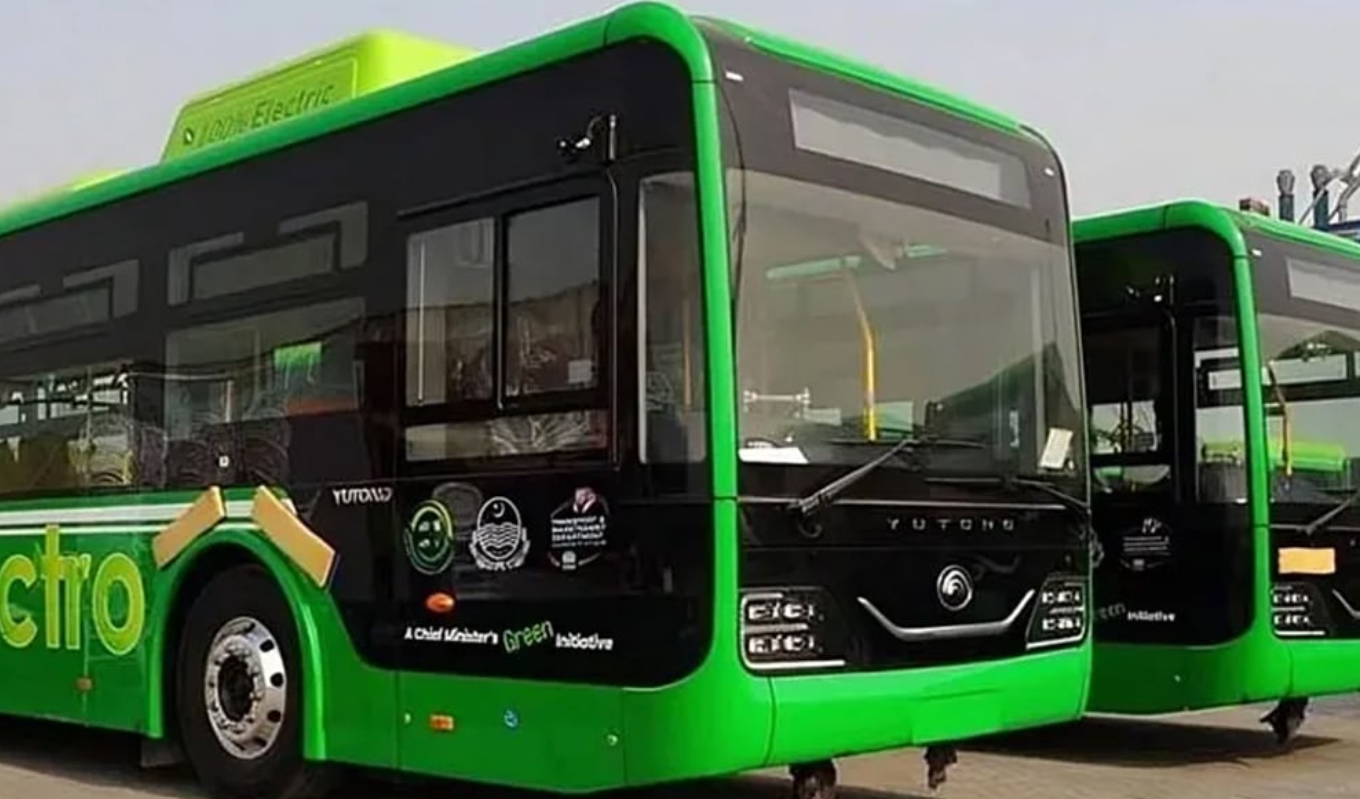
Currently, 45 electric buses operate on seven active routes within the city. However, officials plan to expand the fleet significantly once construction concludes.
The number of buses is expected to increase to 120 vehicles in the next phase. Earlier, authorities had finalized more than ten routes, yet ongoing construction limited operations temporarily.
Once the remodeling finishes, additional routes will become operational. As a result, commuters will gain wider access to public transport services.
Improved Connectivity Across Rawalpindi
After completion, routes will link major urban hubs including Rawat T-Chowk, Koral Chowk, Soan Bridge, and the Motorway corridor. The network will also connect Rawalpindi Railway Station Saddar with central commercial districts.
This connectivity will enhance access to Raja Bazaar and surrounding downtown areas. Consequently, travel times are expected to decrease during peak hours.
Urban planners believe improved route integration will encourage more residents to shift toward public transport. This transition may gradually ease traffic pressure across the city.
Dedicated Bus Lanes to Manage Traffic Flow
The redesign incorporates dedicated bus lanes to maintain smoother vehicle movement. These lanes aim to reduce delays often caused by mixed traffic conditions.
Transport authorities overseeing the electric bus system continue coordinating operational planning. Meanwhile, route allocations have already been finalized to ensure timely service rollout.
Dedicated infrastructure supports consistent scheduling and safer passenger movement. Therefore, the system is expected to deliver reliable daily operations.
A Step Toward Modern Urban Mobility
The Kutchery Chowk project represents a broader effort to modernize Rawalpindi’s public transport network. Electric buses offer cleaner mobility while supporting sustainable urban growth.
As construction nears completion, residents anticipate noticeable improvements in accessibility and convenience. Furthermore, expanded routes promise better connectivity between residential neighborhoods and commercial centers.
Overall, the initiative highlights how infrastructure upgrades and electric transport can reshape commuting patterns while improving city life.

