

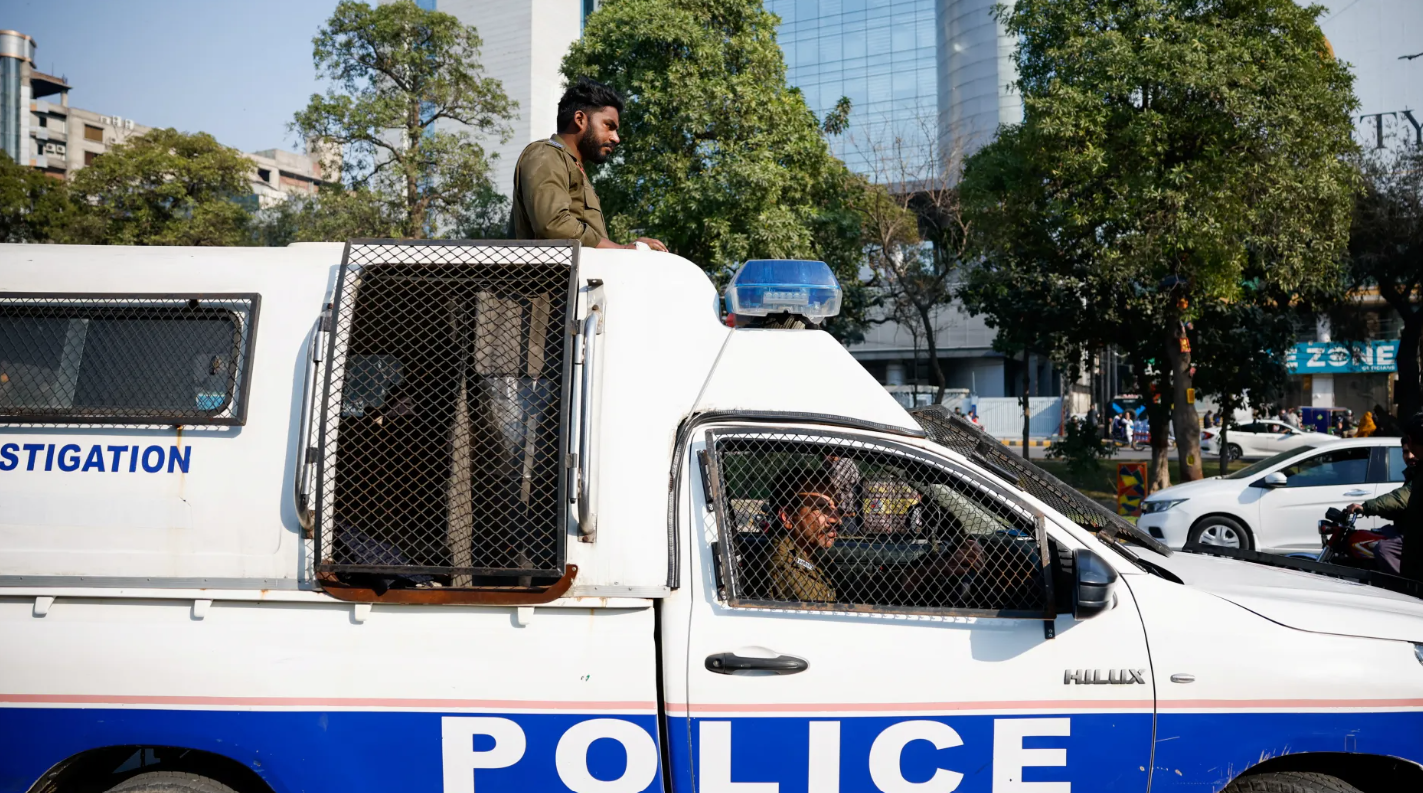

Police in Rawalpindi have arrested the principal of a private academy after shocking allegations of rape and forced abortion. The case involves a Grade 10 student who filed a formal complaint earlier this week.
The arrest was made swiftly after the victim reported the matter, and authorities confirmed that a medical examination of the survivor is already underway. Officials assured that strict evidence-based prosecution will follow.
Victim’s Allegations
According to the complaint, the victim, a resident of Khayaban-i-Sir Syed in Pirwadhai, was repeatedly assaulted by the accused. She stated that the principal, who had no children, expressed his desire to marry her while she was still in school.
The girl told him to seek approval from her parents. However, she claimed that he used manipulation instead, offering promises of better grades in her matriculation exams to pressure her into a relationship.
She alleged that he called her into his office, where the first assault took place. After some months, when she discovered she was pregnant, she informed him. Instead of marrying her as promised, he reportedly gave her medicine to terminate the pregnancy.
Continued Abuse and Threats
The victim further stated that the principal continued to exploit her. She said he raped her repeatedly and made her pregnant again. When she insisted on marriage, the suspect allegedly refused and subjected her to physical violence.
The survivor finally gathered courage to approach the police, registering a first information report (FIR) under Sections 338A (punishment for Isqat-i-haml, or abortion) and 376 (punishment for rape) of the Pakistan Penal Code (PPC).
Police and Legal Action
Rawalpindi Superintendent of Police (SP) Rawal confirmed that the suspect was arrested soon after the case was filed. He said the investigation team will ensure solid evidence is collected and a strong challan submitted to the court.
He also stressed that violence, harassment, and abuse against women and children would not be tolerated. Authorities are committed to pursuing exemplary punishment in this case.
According to Section 376 of the PPC, rape is punishable by the death penalty or imprisonment of no less than 10 years and up to life. Convicted offenders are also subject to heavy fines.
Minister Orders Immediate Probe
Federal Minister for Human Rights and Law, Azam Nazeer Tarar, has directed officials to conduct a transparent and immediate investigation. He emphasized that justice must be ensured under all circumstances. The minister demanded a full report on the case, highlighting the state’s responsibility to protect vulnerable citizens.
Legal Background on Rape in Pakistan
Pakistan has made notable legal reforms to address sexual violence in recent years. The Anti-Rape (Investigation and Trial) Act, 2021, provides for special courts to conduct fast-track hearings. It also mandates medico-legal examinations within six hours of reported assaults.
The Anti-Rape Ordinance 2020 introduced the creation of a national sex offender registry, aiming to track and restrict repeat offenders. Despite these measures, systemic challenges remain, with conviction rates for rape cases alarmingly low.
Reports suggest that the national conviction rate for rape is only 0.5 percent, reflecting deep-rooted issues in investigation, prosecution, and witness protection.
Low Reporting and Social Stigma
According to the National Commission for Human Rights (NCHR), only 41 percent of rape survivors in Pakistan report the crime. Of those who do file complaints, many withdraw due to family and social pressure.
This reluctance contributes to widespread underreporting and allows perpetrators to act with impunity. The Rawalpindi case highlights both the courage of the survivor and the urgent need for systemic reform.
Recent Incidents of Sexual Violence
Unfortunately, this case is not an isolated event. Official data shows that between 2021 and June 2025, more than 560 sexual abuse cases were registered in Islamabad alone. Disturbingly, around 200 of those involved children.
In June 2025, Rawalpindi police arrested an employee of Adiala Jail for allegedly raping his 11-year-old niece inside the prison’s residential colony. That same month, a woman in Dhamial area of Rawalpindi accused her landlord’s son of sexual assault.
Earlier this year, a Rawalpindi sessions court sentenced a man to death for raping a woman, reinforcing the judiciary’s role in delivering justice under the Anti-Rape Act.
The Broader Picture
The Rawalpindi case sheds light on ongoing challenges in protecting women and children from abuse. It underscores the importance of robust law enforcement, public awareness, and social support systems to ensure survivors receive justice.
Activists continue to demand better training for police, increased accountability for investigators, and stronger protections for victims during court proceedings. Many argue that without reforms in these areas, laws alone cannot guarantee justice.
The arrest of the Rawalpindi academy principal marks the beginning of what could be a landmark case. Authorities have promised a transparent trial, and the law provides for the harshest punishments if guilt is proven.
This incident highlights the urgent need to address sexual violence in Pakistan with seriousness, accountability, and compassion for survivors. The courage of victims coming forward should be met with unwavering institutional support, ensuring that justice is not only promised but delivered.
