
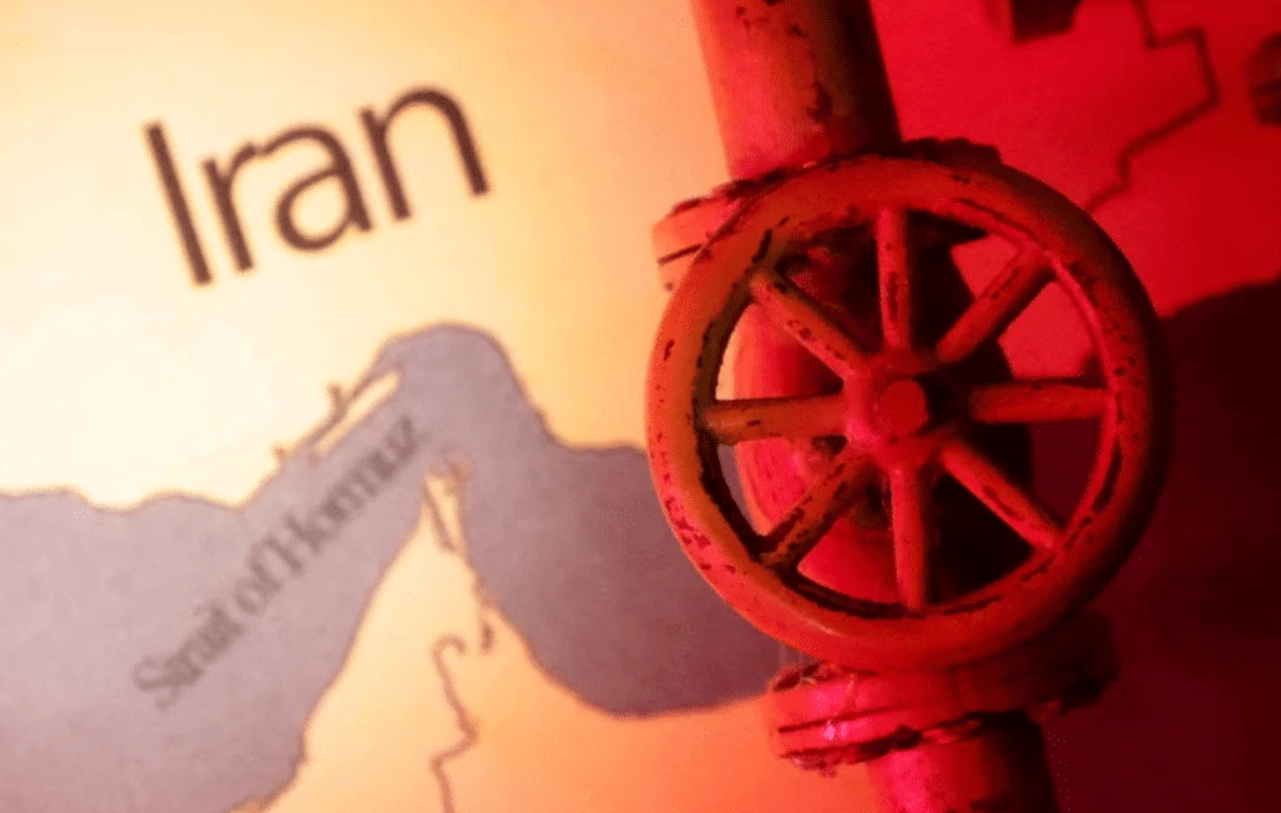

Qatar has issued a stark warning that oil prices could spike to $150 per barrel if the ongoing regional conflict escalates. Energy Minister Saad al-Kaabi stated that Gulf energy exporters may soon declare force majeure, halting crude and LNG shipments. This development signals a potential shock to global energy markets.
Kaabi emphasized that countries yet to declare force majeure are expected to do so in the coming days. “All exporters in the Gulf region will have to call force majeure if tensions persist,” he warned. The announcement highlights the vulnerability of one of the world’s most critical energy-producing regions.
The possible shutdown of Gulf exports could trigger a sharp rise in oil prices within weeks, according to energy analysts. One expert suggested that a $150 per barrel scenario is not merely speculative but a realistic outcome of the disruption. This surge could lead to inflationary pressures and stress global liquidity.
If Gulf nations halt exports, the disruption would affect the swing export region, historically regarded as a stable source of crude oil and LNG. Market observers warn that this could permanently reprice the geopolitical risk premium on energy supplies, particularly impacting Western consumers.
Analysts note that this move may serve as tactical leverage against the United States. While Qatar may face long-term economic risks, the immediate impact could pressure Western markets more significantly than Asian buyers. This scenario underscores the intertwined nature of geopolitics and energy security.
The warning also comes amid escalating tensions across the Middle East, where ongoing conflicts threaten both civilian and industrial infrastructure. Qatar’s statement signals the energy sector’s heightened sensitivity to regional instability and the potential for rapid market shifts.
In conclusion, Qatar’s warning reflects the growing intersection of geopolitical risk and global energy markets. If Gulf exporters declare force majeure, crude and LNG prices could surge sharply, creating a ripple effect across international economies. Investors, policymakers, and energy stakeholders are closely monitoring the situation as the Middle East crisis continues to evolve.

