
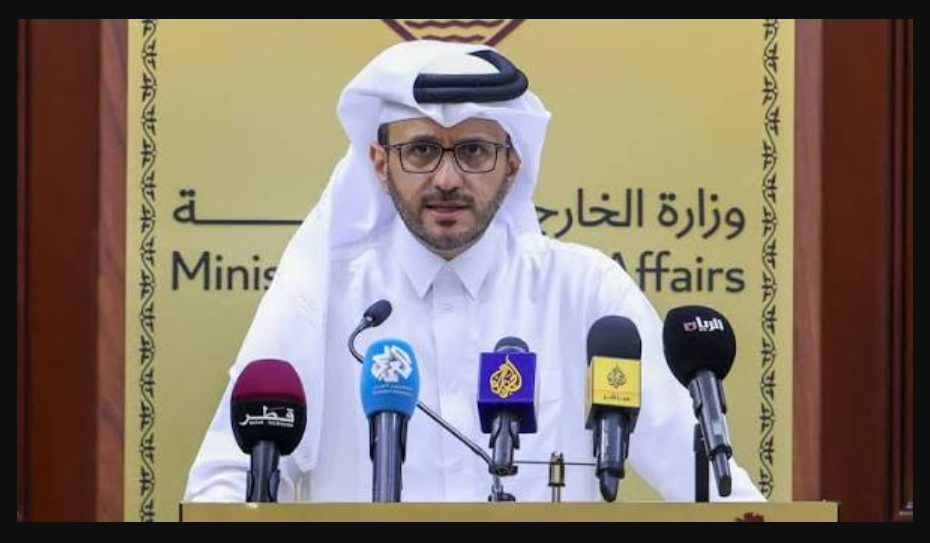

Qatar has called for greater security self-sufficiency among Gulf nations, warning that international alliances alone cannot guarantee regional safety.
The statement came from Qatar’s foreign ministry spokesman in Abu Dhabi on Monday. Speaking at the Hili Forum, he stressed the importance of maintaining strong international partnerships.
However, he said Gulf countries must also strengthen their own ability to protect regional security.
“We need to realise in the Gulf that having international forces in the region, having a strategic alliance with the United States, is very important, but is not enough,” he told the forum.
“Self-sufficiency when it comes to security is the only way forward. Yes, we need our partners. Yes, we need our allies. But we cannot depend on them alone for our security,” he added.
Qatar Calls for Greater Gulf Security Self-Reliance
Qatar’s remarks highlight growing concerns over the region’s dependence on international military support. According to the spokesman, Gulf nations still need their international partners and allies.
However, he argued that those relationships should not become the sole foundation of regional security. Instead, Gulf states should develop greater self-sufficiency in protecting their interests.
The comments came as Qatar continues playing a key role in efforts to mediate the US-Iran conflict. At the same time, Qatar has faced heavy Iranian attacks during the conflict.
The attacks have particularly affected the country’s energy infrastructure.
Qatar Caught Between US Alliance and Regional Conflict
Qatar occupies a significant position in the regional security landscape. The gas-rich country hosts the largest US military base in the Middle East.
Therefore, its close strategic relationship with Washington remains important to its security. However, the ongoing conflict has placed Qatar in a difficult position.
Iran has responded to US attacks by targeting American military sites and energy facilities across the region. Qatar’s position has consequently become even more sensitive because of its role as a mediator.
The country has continued diplomatic efforts despite the wider military confrontation.
US-Iran Conflict Reaches Six-Month Stalemate
The conflict has now entered a prolonged stalemate after six months of fighting. Iran has disrupted traffic through the strategically important Strait of Hormuz.
Meanwhile, the United States has continued pushing a counter-blockade of Iranian ports. The developments have increased pressure on the wider Gulf region.
The Strait of Hormuz remains particularly significant because of its importance to regional shipping. Consequently, instability around the waterway has become a major concern for Gulf nations.
Qatar’s call for greater security self-sufficiency comes against this tense regional backdrop.
Qatar Continues Mediation Efforts
Qatar has also remained involved in diplomatic efforts aimed at easing the conflict.
Last month, Prime Minister Sheikh Mohammed bin Abdulrahman Al Thani travelled to Tehran. His visit formed part of Qatar’s broader mediation efforts.
The visit came after Iran and Oman said they were discussing a temporary shipping corridor.
The two countries also discussed efforts to clear mines from the strategically important waterway. Both Iran and Oman border the Strait of Hormuz.
The discussions therefore focused on maintaining safer movement through the key shipping route. Qatar’s latest comments underline the difficult balance facing Gulf nations.
The region continues to depend on international alliances while confronting growing security challenges. At the same time, Doha is calling for Gulf countries to develop stronger independent security capabilities.
For Qatar, the message is clear: international partnerships remain important, but regional security cannot depend on them alone.

