
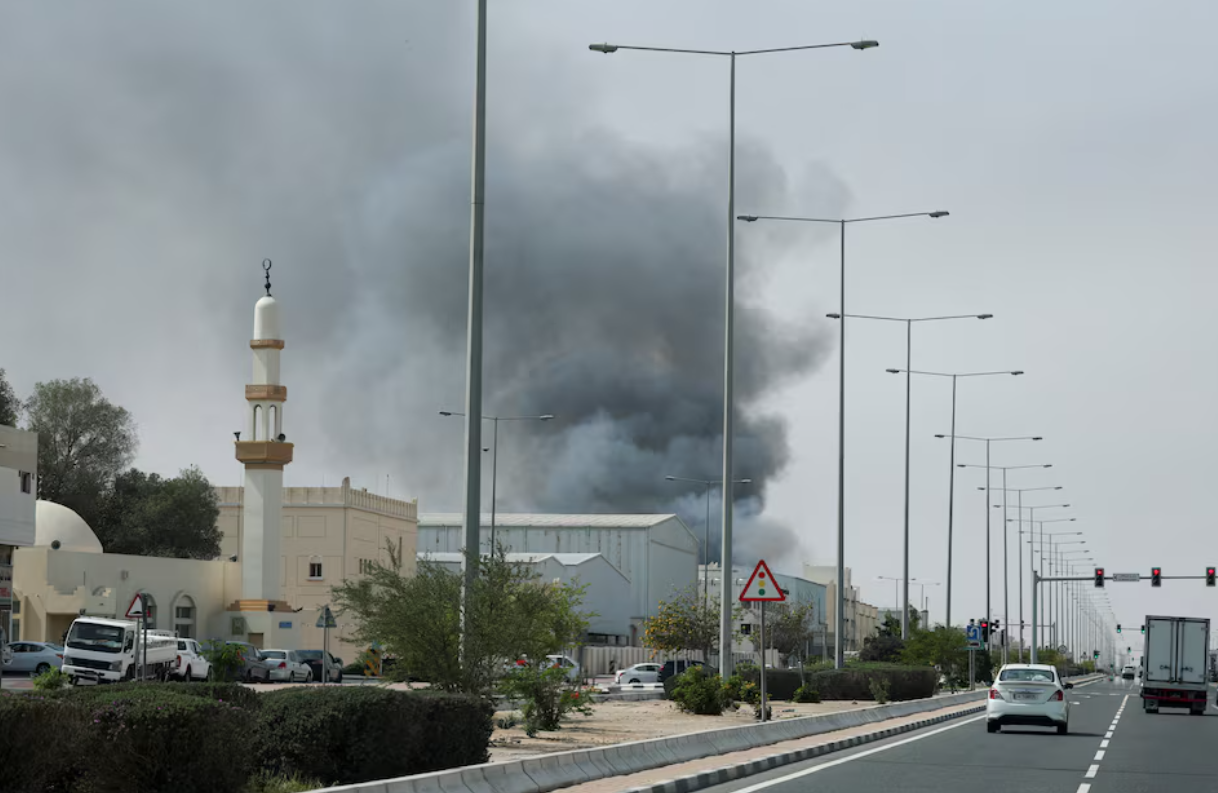

Qatari authorities have arrested more than 300 individuals for sharing videos and information deemed “misleading” during recent attacks by Iran.
The Interior Ministry confirmed that the arrests involved people of various nationalities who filmed, circulated, or published content that could influence public opinion. Authorities emphasized that spreading unverified footage or false narratives could create confusion and unrest.
These measures come amid escalating regional tensions, as Iran has targeted airports, military bases, energy installations, and residential areas with drones and missiles. The arrests are part of broader Gulf efforts to control information and maintain public order during the crisis.
The Department for Combating Economic and Cyber Crimes, under the ministry’s General Directorate of Criminal Investigations, carried out the detentions. Officials stated that the individuals circulated video clips and rumors that could potentially stir public sentiment.
Similar actions have been observed in neighboring countries. In Bahrain, four individuals were detained for sharing footage of Iranian attacks and spreading false news. Meanwhile, Kuwait arrested three people over a video mocking the situation in the country.
Authorities in the United Arab Emirates have issued text warnings to residents, cautioning them against sharing sensitive images or “reposting unreliable information.” The UAE attorney general’s office explicitly prohibited filming, publishing, or circulating images and videos of incidents or damage caused by missiles and shrapnel.
Saudi Arabia has also released warnings, reflecting a regional pattern of strict measures to prevent misinformation from spreading amid ongoing military escalations. Despite these restrictions, images and videos of missile strikes, drones, and the aftermath of attacks continue circulating on social media and messaging platforms.
Officials have stressed the importance of verifying content before sharing and avoiding material that could compromise national security or public safety. The ongoing arrests underline the Gulf governments’ commitment to controlling information flow during periods of heightened regional conflict.
Qatar’s decisive action signals a warning to residents and visitors that sharing unverified or provocative content during crises can result in legal consequences. Authorities continue to monitor online activity and urge citizens to report suspicious or false material immediately.

