

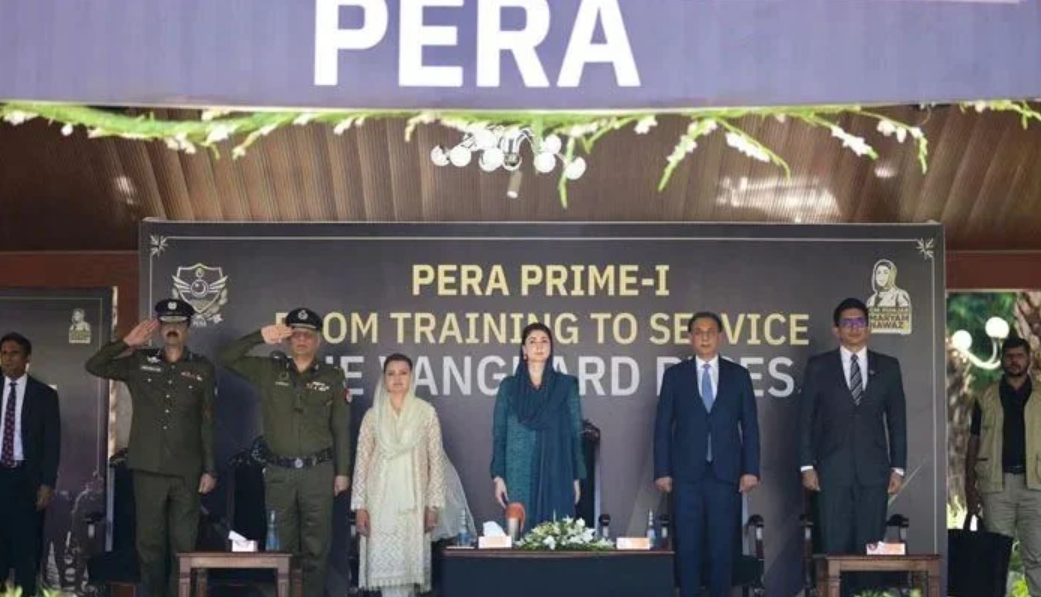

Punjab Chief Minister Maryam Nawaz Sharif has introduced strict measures to curb bribery, misconduct, and abuse within the Punjab Enforcement and Regulator Authority Force. She declared a zero-tolerance approach and directed officials to record all field operations through bodycams. This step seeks to improve transparency and reinforce public confidence in the force.
While chairing a high-level meeting, she reviewed performance indicators and discussed gaps in the existing monitoring system. As a result, the chief minister instructed that bodycam installation should be completed at the earliest. The directive aims to ensure that oversight remains effective and that field officers stay accountable during every operation.
Bodycam Usage Becomes Mandatory for Field Activities
The new directive will change the way the force conducts its day-to-day duties. With bodycams becoming mandatory, officers will be monitored more closely. The recordings are expected to reduce disputes, discourage questionable behaviour, and support evidence-based decision-making. Moreover, the step will help resolve complaints more fairly because video documentation will remain available when required.
Because the public often faces unnecessary harassment or delays, the bodycam initiative is designed to support citizens as well. It encourages respectful behaviour while discouraging coercive or unethical practices.
Training Centre Approved to Enhance Skills and Professionalism
To improve internal capacity, the chief minister approved the establishment of a dedicated PERA Training Centre. She confirmed that specialised training sessions will begin soon. These sessions will focus on communication skills, field protocols, and modern enforcement techniques. Consequently, the programme will prepare officers to manage diverse situations with professionalism.
Training will also focus on ethics, discipline, and public dealing. Since officers frequently interact with citizens, the government wants to ensure that every individual is treated with dignity. This is why the chief minister stressed that the force must remain polite, friendly, and responsible at all times.
Electric Vehicles to Modernise Field Operations
Along with the monitoring reforms, Punjab is set to upgrade the operational fleet of the PERA Force. The chief minister announced the procurement of electric vehicles to support cleaner, more efficient field mobility. The step will modernise the force and reduce its fuel-related expenses. Because environmental concerns are rising across the province, this decision also aligns with broader sustainability goals.
The new vehicles will allow officers to respond more quickly during inspections. They will also improve operational visibility in urban and rural areas. This modernisation is part of a larger plan to strengthen the enforcement network.
Improved Performance Appreciated but Higher Standards Demanded
While addressing PERA personnel, the chief minister acknowledged the force’s improved performance. She appreciated the efforts made in the past months. However, she urged officers to adopt a more focused approach. She emphasised that the public expects clear results and visible improvement.
Therefore, she advised officers to work with integrity and deliver outcomes that create goodwill among citizens. She reminded the team that every enforcement action must protect the rights of the people. She also highlighted that law enforcement must be ensured under any circumstance. This means officers must perform their duties with fairness and consistency, without any compromise.
A Key Step Toward Transparent Enforcement in Punjab
The updated directives mark a significant shift in Punjab’s enforcement strategy. By combining digital monitoring, specialised training, and modern equipment, the government aims to reshape the PERA Force into a more reliable institution. Because transparency remains a major public demand, the bodycam initiative is expected to create a more accountable system.
Moreover, the force will operate more efficiently after the introduction of new vehicles and structured training programmes. As the reforms take shape, citizens will likely experience smoother and more respectful interactions during enforcement visits.
Punjab’s latest decisions signal a strong intent to reduce misconduct and build a culture of responsibility. With these changes, the PERA Force is expected to operate with greater discipline and improved public engagement.
