

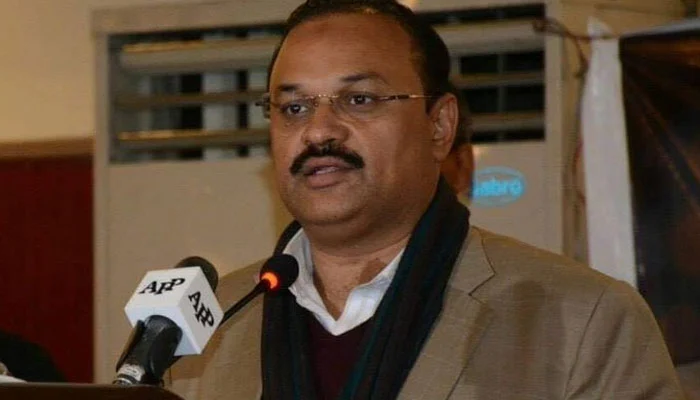

Pakistan Tehreek-e-Insaf (PTI) has chosen Malik Aamir Dogar as its nominee for the National Assembly speaker seat, with the approval of PTI founder Imran Khan. Additionally, PTI leader Omar Ayub, the party’s candidate for the prime minister position, revealed that former Prime Minister Junaid Khan has been nominated for the deputy speaker post in the National Assembly.
Addressing the media outside Adiala jail in Rawalpindi, Ayub accused the PTI of being deprived of its 180 National Assembly seats due to election rigging. In response to the alleged irregularities, Ayub announced plans for protests on March 2, joined by other political parties.
Following PTI’s exclusion from the February 8 election as a party, its candidates participated in the polls as independents. Subsequently, the newly-elected independent members announced their intention to join the Sunni Ittehad Council to secure reserved seats in the National Assembly, Sindh, Punjab, and Khyber Pakhtunkhwa Assemblies.
For the chief minister position in Khyber Pakhtunkhwa, PTI has nominated Ali Amir Gandapur, who will contest the election as an independent candidate while also submitting papers as the party’s provincial president.
Initially, Mian Aslam Iqbal was PTI-SIC’s nominee for the Punjab chief minister, but the PTI leader withdrew his name due to concerns about potential arrest. Rana Aftab was later named as the PTI candidate for the CM slot, but he received zero votes in the election as the Sunni Ittehad Council boycotted the process. Consequently, Maryam Nawaz of the PML-N was elected as the first woman Chief Minister of Punjab.
In Sindh, PPP’s Murad Ali Shah competed against the MQM-P candidate for the chief minister position and secured a comprehensive victory with 112 votes.
