

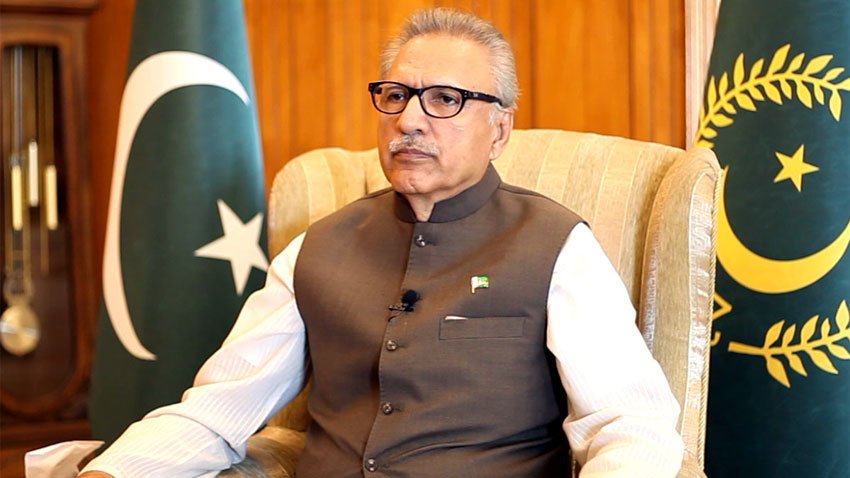

ISLAMABAD President of Pakistan Dr Arif Alvi has sent back to government two bills seeking to reverse the key changes in the election laws by the PTI government about electronic voting machines (EVMs) and i-voting for overseas Pakistanis and curbing powers of the National Accountability Bureau (NAB).
Dr Alvi has asked the prime minister for reconsideration and detailed deliberation by the parliament and its committee(s).
The National Assembly and the Senate approved both the bills in May and sent to President for final approval. After their approval from both houses, only the president’s assent was required for the bills to become law.
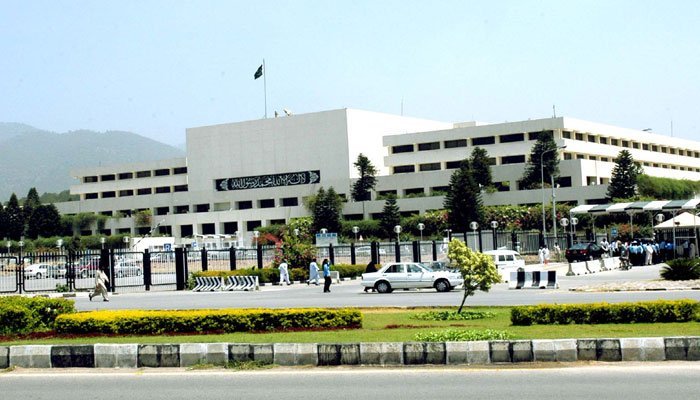
However, President Alvi returned the bills today, saying that they had violated Article 46 of the Constitution, according to which the prime minister “shall keep the president informed on all matters of internal and foreign policy and on all legislative proposals the federal government intends to bring before Majlis-e-Shoora (parliament)”.
The President was not informed about the bills while the Parliament approved the bills in a haste without conducting due diligence, President secretariat said.
“The legislation, having a far-reaching impact on the society, should have been discussed in detail in consultation with the legal fraternity and civil society,” the statement said. The president also highlighted specific objections to each bill.
Election reforms bill
He noted that the Supreme Court, in a 2018 judgement, had upheld its verdict from 2014 granting voting rights to overseas Pakistanis. The court had also endorsed i-voting and declared it to be safe, reliable and effective, he added.
Furthermore, the Supreme Court had approved the use of i-voting in a pilot project.
“The court clearly observed, ‘We direct the results of the by-elections and the vote count of the votes cast by overseas Pakistanis through the i-voting mechanism shall be kept separately and also secret till the time that ECP (Election Commission of Pakistan) is satisfied about the technical efficacy, secrecy and security of the votes cast by overseas Pakistanis through the i-voting system’.”
In its 2018 judgement, the apex court had regretted that the i-voting system was not used despite its earlier verdict, Alvi stated.
