
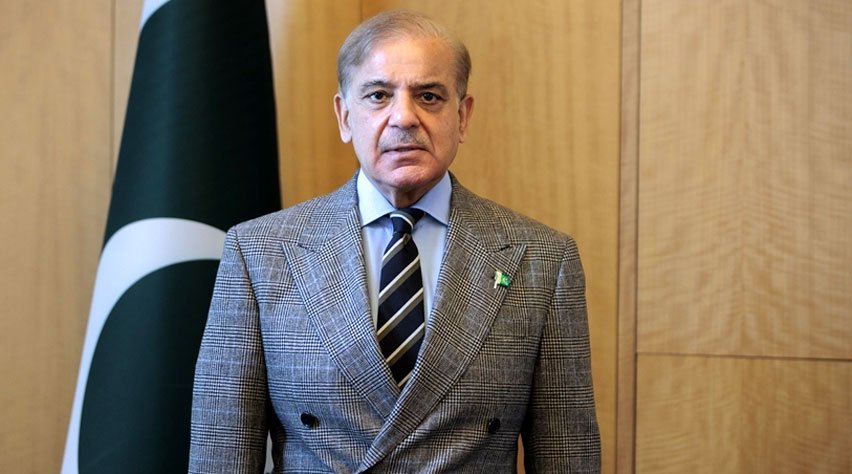

The Pakistan Peoples Party (PPP), a key ally of the PML-N-led coalition government, has questioned Prime Minister Shehbaz Sharif’s silence over proposals to create new provinces. PPP leaders have urged the premier to clarify his position on the politically sensitive issue.
PPP Parliamentarians Secretary General Nayyar Hussain Bokhari said the government should explain whether it supports increasing the number of federating units. He also stressed that any move must follow the constitutional process and secure support from all stakeholders.
PPP Seeks Clear Government Position
The debate gained momentum after the Sindh Assembly passed a resolution opposing any further division of Pakistan’s four existing provinces. Meanwhile, PML-N leader and Adviser to the Prime Minister on Political Affairs Rana Sanaullah said no preparations were currently under way to create new provinces.
Last month, PPP lawmaker Agha Rafiullah also urged Shehbaz Sharif to appear before the National Assembly and issue a policy statement. However, the prime minister has yet to publicly outline his position.
Reports have suggested proposals ranging from eight to 30 provinces, although the government has not confirmed any formal plan. Nevertheless, several ruling-party leaders and federal cabinet members have expressed support for creating additional provinces at different forums.
Constitutional Process Remains Key
Bokhari said the issue could affect Pakistan’s existing federating units and therefore required serious consultation. He argued that the government should first discuss the matter in the federal cabinet before engaging political parties and other stakeholders.
He recalled that political parties spent months consulting during the drafting of the 1973 Constitution. Similarly, deliberations on the 18th Constitutional Amendment continued for more than a year.
Furthermore, Bokhari emphasized that provincial consent remains essential for creating new federating units. Any such change would require a constitutional amendment approved by two-thirds majorities in both the National Assembly and Senate.

