

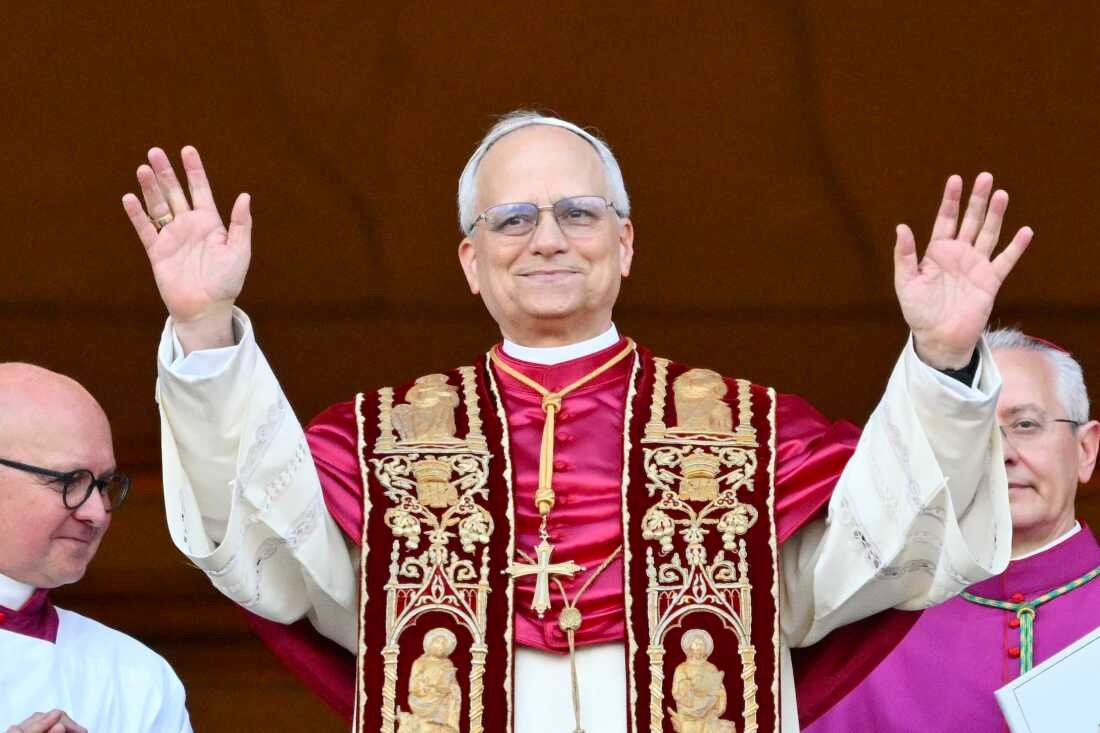

VATICAN CITY — In his first official address to the College of Cardinals, newly elected Pope Leo XIV urged the Catholic Church to confront the ethical and social implications of artificial intelligence (AI), warning of its potential to disrupt human dignity and justice.
Pope Leo, formerly Cardinal Robert Prevost of the United States, was elected earlier this week, becoming the first American to assume the papacy. Speaking from the Vatican, the 68-year-old pontiff drew historical parallels between today’s digital revolution and the industrial upheaval of the late 19th century.
“Pope Leo XIII responded to the injustices of his time with Rerum Novarum,” he said, referencing the foundational social encyclical of 1891. “Now, the Church must address the moral dimensions of artificial intelligence with the same clarity and courage.”
The new pope’s remarks come amid growing global concern over the unchecked development of AI technologies. He pledged to continue the work of his predecessor, Pope Francis, who strongly advocated for ethical AI regulation and passed away last month.
Leo XIV paid tribute to Francis’s commitment to human-centered technology and vowed to lead the Church in shaping a moral framework for emerging innovations.
Over the weekend, the new pope made a symbolic pilgrimage to the Madonna sanctuary in Genazzano, maintained by the Augustinian order. There, he greeted pilgrims and offered blessings, underscoring his pastoral roots and spiritual ties.
During the same session with cardinals, broader issues facing the Church were also addressed, including the Vatican’s delicate relationship with China. Czech Cardinal Dominik Duka highlighted the ongoing need for dialogue following the 2018 agreement between the Holy See and Beijing on the appointment of bishops.
Leo XIV, a former missionary in Peru, takes the helm of the Catholic Church at a time of global uncertainty. He has pledged to prioritize justice, peace, and ethical leadership in an age increasingly shaped by powerful technological forces.
