

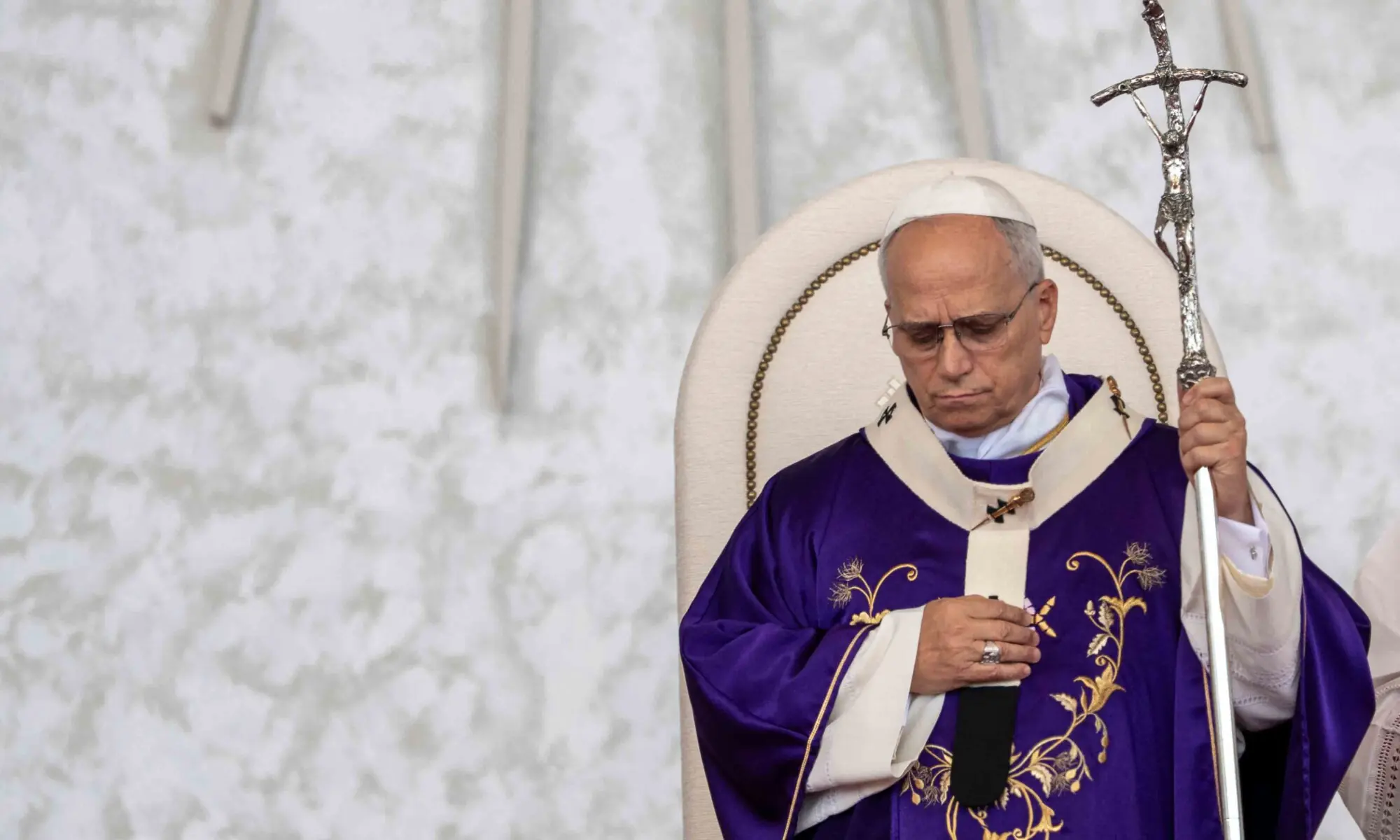

Pope Leo XIV, during the conclusion of his visit to Turkey and Lebanon, criticized anti-Muslim activists who stoke “fears” of Islam and urged cooperation between Christians and Muslims as a model for Europe and the United States.
Speaking aboard the papal plane, the 70-year-old pontiff highlighted that anti-Muslim sentiment is often fueled by opposition to immigration and xenophobic attitudes. He emphasized that his trip to Lebanon demonstrated that dialogue and friendship between religious communities is possible.
During his visit, the pope was inspired by stories of Christians and Muslims helping one another, noting these examples as lessons for reducing fear and fostering understanding.
He called on the global community to reject exclusionary mindsets that have fueled nationalism and inhuman treatment of migrants in recent years, particularly in the US and Europe. Pope Leo urged the Catholic Church to break down barriers of class, race, and nationality and to open borders between peoples.
The pontiff addressed Lebanon’s ongoing struggles, including the economic crisis, recent hostilities with Israel, and the lingering effects of the August 2020 Beirut port explosion.
At a mass attended by approximately 150,000 people at Beirut’s waterfront, he appealed for peace and reconciliation, urging political and social authorities to listen to citizens’ calls for dialogue and constructive solutions rather than revenge.
Visiting the port explosion site, he met survivors and relatives of victims, expressing deep sympathy and calling for truth and justice for those affected.
Pope Leo also reflected on potential future trips to Africa, Latin America, Algeria, Argentina, and Uruguay, aiming to continue promoting peace and interfaith dialogue globally. He emphasized that negotiation, mediation, and dialogue should replace violence and conflict, advocating for constructive engagement as a path to lasting peace.
The visit underscored the pontiff’s commitment to fostering religious harmony, humanitarian support, and global reconciliation, highlighting Lebanon as an example of coexistence that could inspire other regions.
His remarks were widely praised by locals and international observers for emphasizing tolerance, inclusion, and the urgent need for peaceful solutions in conflict-affected areas.
