
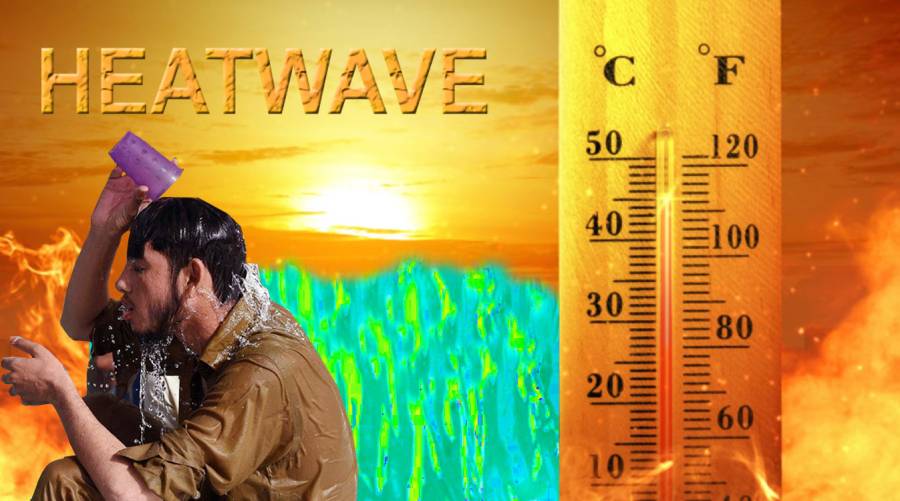

The Pakistan Meteorological Department issued a warning pertinent to incoming heatwave. Officials highly expect the hottest weather to hit the flat areas of southern Punjab and Sindh first, and the entire country is likely to experience warmer-than-usual temperatures during the March–May season.
Stronger Warming Hits the North
There is a rapid surge in temperature almost everywhere, but the sharpest increases strike Gilgit-Baltistan, Kashmir, and northern Khyber Pakhtunkhwa. Residents in these mountainous regions prepare for the most noticeable departure from average readings. At the same time, the plains still endure hotter days overall, setting the stage for prolonged heat stress.
Rainfall patterns offer some balance. The department forecasts near-normal to slightly above-normal precipitation across the season. Westerly disturbances grow more active and deliver extra showers to southern Khyber Pakhtunkhwa, nearby parts of central Punjab, and northern Balochistan. Many other zones, such as Sindh, central-to-southern Balochistan, northern KP, Kashmir, and Gilgit-Baltistan, receive amounts close to their typical seasonal totals.
Spring has its own challenges as the temperature
However, the spring season also has its own set of problems, as temperature fluctuations can trigger dust storms, strong winds, and sometimes even hail. Moreover, the onset of the season also coincides with the increase in pollen counts in major metropolitan cities such as Islamabad, Rawalpindi, and Lahore. The rains received towards the end of March also extend the duration of the pollen season. According to farmers in the plains, the spread of pests and diseases in Rabi crops happens at a very fast rate. In the mountainous areas, the rate of snow melt in Gilgit Baltistan and upper KP poses the threat of glacier lake outburst floods as the season progresses.

