

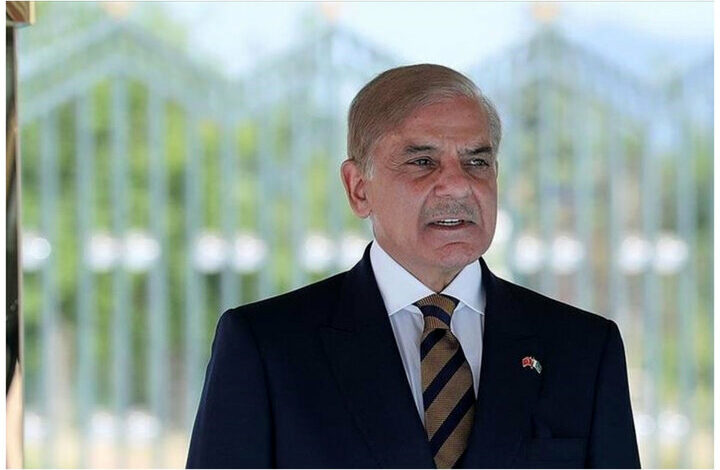

Government Reviews Ramadan Relief Plan and Past Performance
Prime Minister Shehbaz Sharif has launched a new Ramadan relief package aimed at providing timely and transparent assistance to deserving families across Pakistan. The prime minister directed all relevant federal institutions to ensure the package benefits the maximum number of people, especially low-income households struggling with rising living costs.
The directives were issued during a high-level meeting chaired by PM Shehbaz Sharif in Islamabad. Senior officials reviewed the proposed framework for the upcoming Ramadan relief package. The meeting also examined an independent third-party evaluation of last year’s relief programme.
According to officials, the previous Ramadan package introduced reforms that reduced leakages and ensured subsidised food items reached the public at affordable rates. The prime minister appreciated the findings of the audit report presented by an authoritative oversight institution. He noted that the system helped curb exploitation and middlemen involvement.
PM Sharif said the government’s priority is to protect vulnerable citizens during Ramadan. He stressed that relief initiatives must be transparent, accountable, and respectful of public dignity. He added that every rupee spent should directly benefit deserving families.
The prime minister also instructed officials to ensure coordination among federal ministries, provincial governments, and utility providers. He said unified planning is essential to avoid duplication and delays in relief delivery.
Digital Wallets to Modernise Relief Distribution
A major focus of the new Ramadan relief package is the use of digital wallets to distribute financial assistance. PM Shehbaz Sharif described digital payments as a transformative step toward efficiency and transparency. He said the system could help eliminate long queues, delays, and manual handling of cash.
The prime minister directed authorities to work closely with the State Bank of Pakistan to develop a secure and user-friendly digital payment mechanism. Officials briefed the meeting on how digital wallets could allow beneficiaries to receive funds directly on their mobile devices.
This system would enable families to purchase essential food items of their choice rather than relying solely on fixed ration bags. The government believes this approach will empower citizens and respect their personal needs during Ramadan.
PM Sharif said digital wallets could also support Pakistan’s long-term goal of moving toward a cashless economy. He noted that digital transactions improve record-keeping and reduce the risk of corruption.
Monitoring, Transparency, and Public Dignity
To strengthen accountability, the government plans to introduce a digital dashboard and real-time monitoring system. The dashboard will track fund distribution, beneficiary data, and spending patterns. Officials said this would help identify gaps and address complaints quickly.
The prime minister emphasised that transparency must remain central to the relief programme. He said monitoring mechanisms should ensure that no deserving family is left out and no ineligible person benefits unfairly.
PM Sharif also stressed the importance of maintaining public dignity during aid distribution. He instructed officials to design systems that avoid public embarrassment or unnecessary documentation hurdles.
The meeting concluded with assurances that the Ramadan relief package would be finalised soon. Authorities were directed to present a detailed implementation plan, including timelines and safeguards.
The government hopes the improved relief programme will provide meaningful support during the holy month and restore public trust in welfare initiatives.
