

Government Assures Fuel Supply Amid Rising Prices
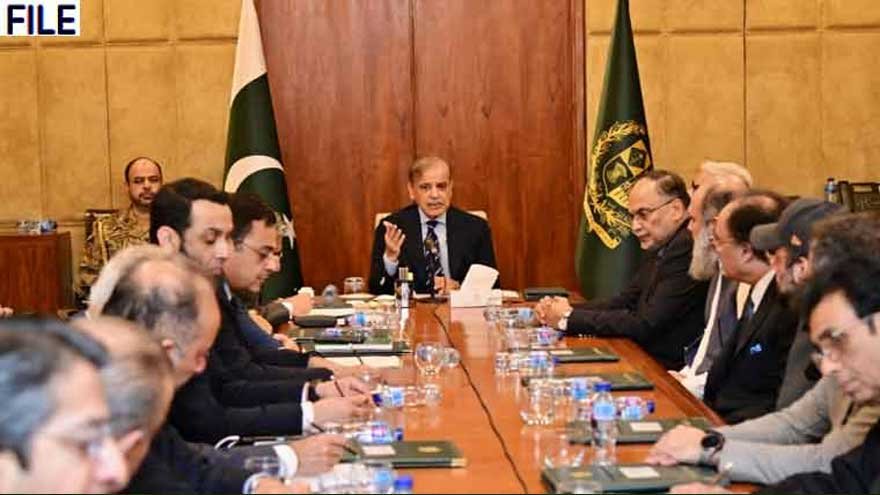
Prime Minister Shehbaz Sharif chaired a high-level meeting on Saturday to review petroleum reserves and relief measures. He said the government’s top priority is to support citizens during rising fuel prices and regional tensions.
Officials briefed the meeting that Pakistan has enough petroleum stocks. These reserves can meet national demand despite recent price hikes. Therefore, the government does not expect immediate shortages.
The prime minister stressed that the state will not leave people alone in difficult times. He said relief for the common man remains the main focus. In addition, he noted that savings from austerity measures will be used to support the public.
He also directed authorities to speed up relief efforts. The goal is to help vulnerable groups as soon as possible. This approach aims to reduce the impact of high fuel costs on daily life.
Digital Subsidy System Introduced for Transport Sector
The government has launched a new digital subsidy system for transport operators. Under this plan, financial support is sent directly through digital wallets. This system covers buses, wagons, trucks, and other goods vehicles.
Officials explained that the process is transparent and efficient. It reduces delays and ensures funds reach the right people. As a result, transport operators can manage rising fuel costs more effectively.
The State Bank of Pakistan and the Ministry of IT are working together to ensure smooth transfers. A one-window operation system has also been introduced. This system simplifies the subsidy process and improves coordination.
The prime minister asked provinces to provide verified data of eligible beneficiaries. Accurate data will help deliver funds quickly and fairly.
Centre and Provinces Agree on Shared Funding Plan
The federal and provincial governments have agreed on a joint funding formula. Under this plan, both sides will share the cost of subsidies. This step aims to reduce financial pressure on the federal government.
The federal government will contribute more than Rs129 billion. Meanwhile, provinces will add between Rs40 billion and Rs50 billion. Together, they will create a joint financial pool for subsidies.
Under the plan, transport owners and goods carriers will receive support from federal funds. On the other hand, provinces will manage subsidies for agriculture, motorcycles, and rickshaws. This division ensures better resource allocation.
Several key officials attended the meeting, including Attaullah Tarar, Musadik Malik, and Ali Pervaiz Malik. They reviewed progress and discussed further steps.
Overall, the government aims to provide timely relief through digital systems and shared funding. These measures seek to ease the burden of rising fuel prices on citizens and businesses.

