

Key Appointment Decision Ahead of Hajj Operations
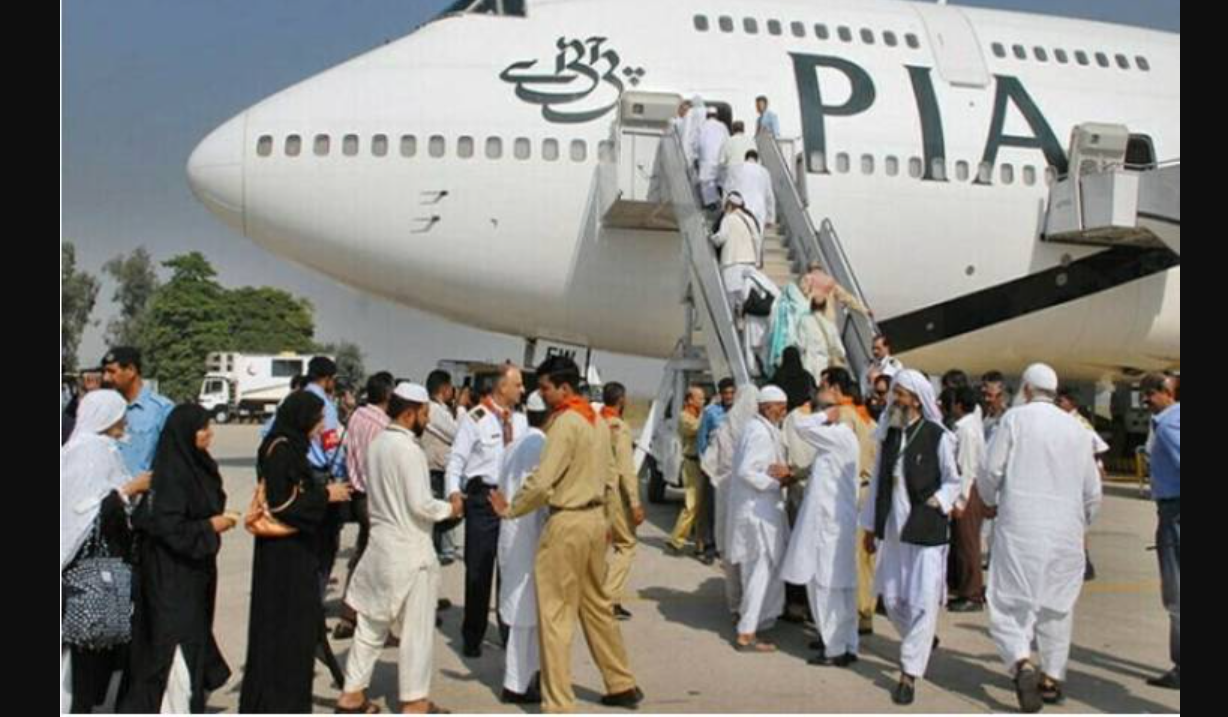
The Government of Pakistan is moving closer to appointing a new Director General (DG) Hajj as preparations intensify for the upcoming pilgrimage season. The Prime Minister is currently reviewing three shortlisted candidates for the crucial role, with the first Hajj flights scheduled to depart on April 18.
The Ministry of Religious Affairs and Interfaith Harmony has submitted the final names after a detailed selection process. The DG Hajj position, based in Makkah, plays a vital role in managing one of the country’s largest annual religious operations.
This appointment comes at a critical time. Any delay in decision-making could disrupt essential arrangements, including flight scheduling, accommodation, and on-ground logistics for thousands of pilgrims.
Three Finalists After Rigorous Selection Process
The shortlisted candidates include Muhammad Ali, currently serving as Punjab’s Secretary, Zulfiqar Khan, Chief Financial Officer at the Ministry of Religious Affairs, and Sajid Mansoor Asadi from the Economic Affairs Division.
The selection process began with nearly 50 applicants. Only nine candidates qualified after passing an exam conducted by Lahore University of Management Sciences. A six-member committee then conducted interviews and narrowed the list down to the final three.
Meanwhile, the current DG Hajj, Abdul Wahab Soomro, has been granted a three-month extension. This move aims to ensure continuity in planning while the final decision is pending. However, concerns remain about the centralized structure of Hajj operations, which are largely managed from Jeddah under the DG’s authority.
Rising Pressure as Pilgrim Numbers Increase
Pakistan is expected to send 179,210 pilgrims for Hajj 2026. Out of these, 119,210 will travel under the government scheme, while nearly 60,000 pilgrims will go through private operators. Managing such a large number requires efficient coordination and strong leadership.
Experts warn that delays in appointing the DG Hajj could affect critical planning stages. These include visa processing, accommodation bookings in Makkah, and transportation arrangements within Saudi Arabia. The scale of the operation means even minor disruptions can have widespread consequences.
The Prime Minister’s decision is now seen as urgent. The selected candidate will not only oversee logistics but also carry the responsibility of ensuring a smooth and safe pilgrimage for thousands of Pakistani citizens. The role demands quick decision-making, coordination with Saudi authorities, and effective management of resources.
As the countdown to Hajj begins, the government faces increasing pressure to finalize leadership and avoid last-minute challenges. The appointment will play a decisive role in shaping the overall success of Pakistan’s Hajj operations this year.

