

A mobile phone suddenly stopped working, but the problem was far more serious than a network outage. A duplicate SIM had allegedly taken control of the number, allowing fraudsters to access banking services and transfer millions of rupees.
The case involving two members of the National Assembly and a Karachi businessman has exposed weaknesses in Pakistan’s biometric verification and banking security systems.
Duplicate SIM Opens the Door to Banking Fraud
Farhan Chishti, an MNA affiliated with the Muttahida Qaumi Movement (MQM), discovered the problem after arriving at Islamabad airport on January 12. His phone could neither make calls nor receive messages.
He later learned that someone had obtained a duplicate SIM against his number in Karachi’s Malir area. The replacement SIM disabled his original connection.
According to the investigation, the fraudster then registered Chishti for online banking, although he had never used the service. The person also increased his withdrawal limit and transferred Rs1.5 million to accounts belonging to other individuals.
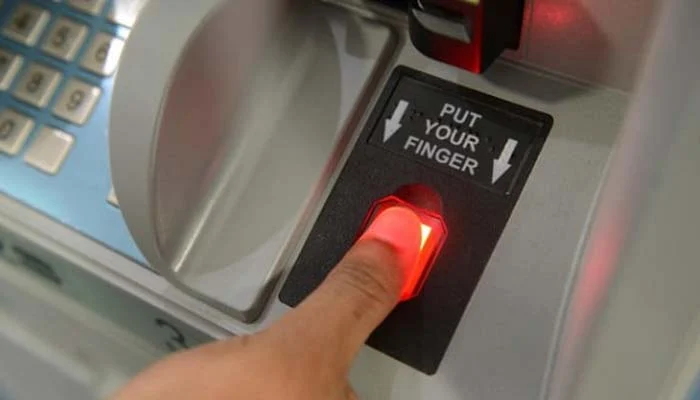
Chishti reported the incident to the National Cyber Crime Investigation Agency (NCCIA). However, investigators have yet to establish how the fraudster obtained his fingerprint data.
Another MNA Loses Rs2 Million
Chishti was not the only lawmaker affected. Another MNA, Shaharyar Mahar, reportedly lost Rs2 million in a separate incident involving similar methods.
Karachi businessman Sunny Kumar also suffered a major financial loss. A duplicate SIM was issued against his number in September 2025, and approximately Rs8.5 million was withdrawn from his account.
Investigators reportedly discovered that a bank employee had accessed Kumar’s account before the SIM was issued. The employee had also accessed around 30 other accounts linked to suspicious activity involving an estimated Rs25 million.
According to the investigation, the employee admitted sharing customer information with an acquaintance. Phone records also indicated attempts to obtain customer data from another bank employee.
PTA Fines Cellular Operator Rs77.8 Million
The Pakistan Telecommunication Authority (PTA) fined the cellular operator Rs77.8 million in connection with the cases.
The company argued that a third party had deceived its retailer. However, the regulator held the operator responsible for SIM issuance and identified weaknesses in monitoring and compliance.
Kumar recovered his money from the bank. The report also said similar patterns appeared in the other cases, although further investigations did not proceed after the complainants focused on recovering their losses.
Stolen Biometrics Raise Wider Security Concerns
Investigators suspect criminals may collect fingerprints from leaked data or exploit weak verification procedures. They can then misuse biometric information to obtain duplicate SIMs and access financial services.
The incidents highlight the risks created when telecom and banking systems rely on compromised identity data. Stronger verification, better monitoring and faster responses to suspicious account activity could help prevent similar losses.
For the latest updates, visit and follow The Truth International website (www.thetruthinternational.com) and subscribe to the YouTube Channel.

