

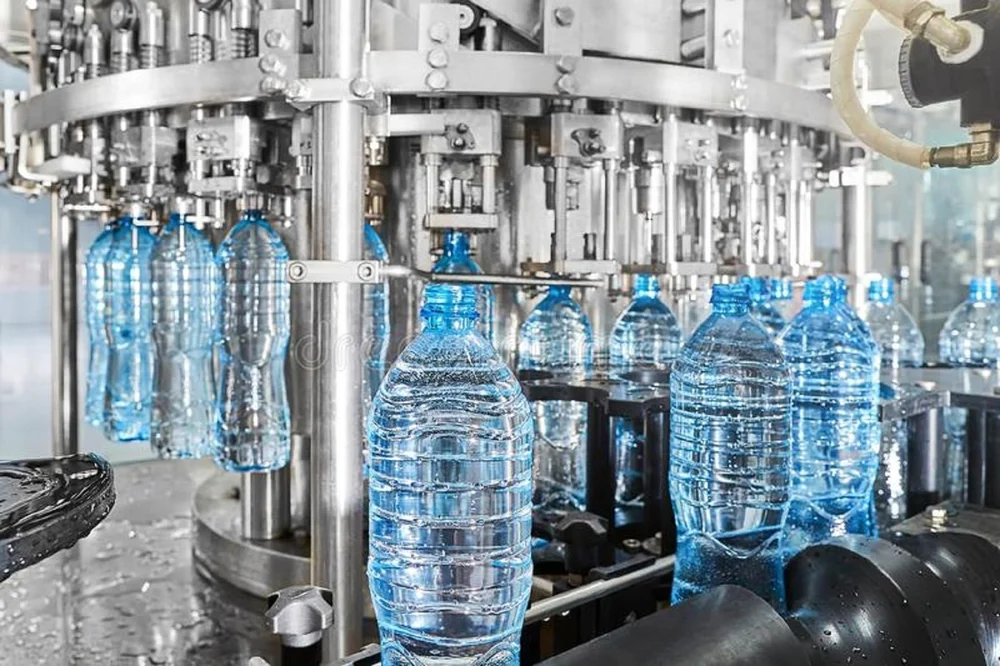

The Punjab Food Authority (PFA) has closed down eight bottled water plants after they were found to contain hazardous levels of chemicals and bacteria, making them unsafe for human consumption. These actions follow water sample tests conducted by the Pakistan Council of Research in Water Resources (PCRWR), which revealed the widespread sale of contaminated bottled water falsely marketed as safe.
The findings expose a troubling reality: bottled water, often considered a safe alternative in a country struggling with water contamination, has become a health risk. The test results, compared to the Pakistan Standards & Quality Control Authority (PSQCA) benchmarks, showed alarming levels of arsenic, chemical, and microbiological contaminants in several brands.
The affected brands include SS Water and Pak Acqua RO Mineral Water in Sahiwal, Premium Safa Purified Water, Orwell, Natural Pure Life, and Life Inn Water Plant in Multan, Sky Rain in Faisalabad, and Iced Well in Sialkot.
PFA Director General Asim Javed stated, “These plants will remain shut down until they implement strict corrective measures, including verified improvements in water quality, mandatory medical tests for workers, and documented filter replacements.”
Javed emphasized the PFA’s commitment to protecting public health, saying, “We will not tolerate the production of substandard bottled water,” and vowed to use all available resources to address the issue. However, for many Pakistanis, the damage has already been done.
According to PCRWR’s report, some contaminated brands contained dangerously high levels of sodium, arsenic, and potassium, while others were found to be infested with harmful bacteria. The potential health risks are severe, including gastrointestinal infections like cholera, kidney disease, high blood pressure, nervous system disorders, and even cancer.
In response to the crisis, the federal government has tasked PCRWR with conducting quarterly monitoring of bottled water brands to curb the issue. In its most recent review, the agency collected 176 samples from 20 cities across the country. The findings were forwarded to the PSQCA and provincial chief secretaries for further legal action. Under current regulations, companies that fail to meet safety standards are given three warnings before their licenses are revoked and their facilities are closed.
