

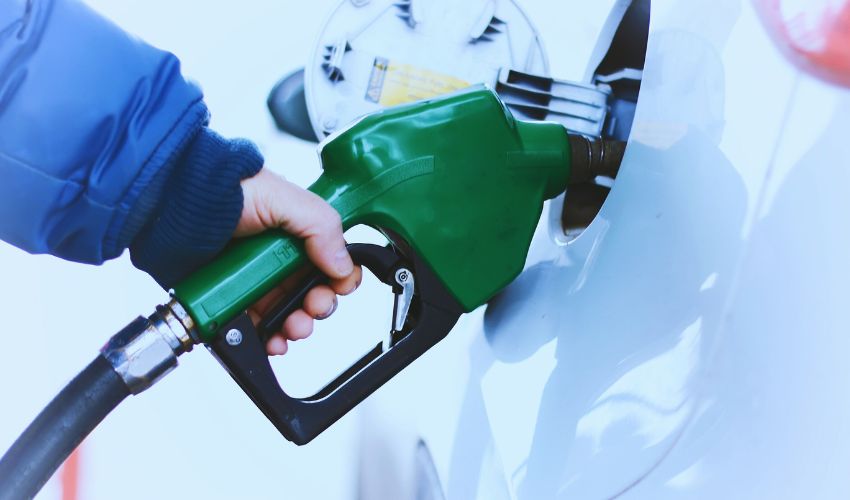

In what could be welcome news for inflation-weary citizens, petroleum product prices in Pakistan are projected to decline once again from August 16. The expected price cut comes on the back of a notable drop in global crude oil rates over the last 11 days, signaling potential relief for consumers and businesses alike.
Global Oil Market Trends Leading to Price Reduction
Market indicators show that US crude oil prices have fallen sharply by $5.71 per barrel, sliding from $69.26 to $63.48. Similarly, Brent crude — the international benchmark — has dropped by $5.72 per barrel, moving from $71.70 to $65.98.
The sustained decline in global oil prices has created room for the Pakistani government to reduce domestic petroleum rates, which will be officially revised on August 15 and come into effect from August 16.
Previous Price Adjustments in Pakistan
During the last fortnightly review, the federal government reduced the price of petrol by Rs7.54 per litre, setting it at Rs264.61, while the cost of high-speed diesel was slightly increased by Rs1.48, bringing it to Rs285.83 per litre. These adjustments were aimed at balancing consumer relief with fiscal requirements.
Current Petroleum Prices (as of August 1, 2025):
- High-Speed Diesel (HSD): Rs285.83 per litre
- Motor Spirit (Petrol): Rs264.61 per litre
If the upcoming revision follows global trends, consumers may see petrol and diesel prices dip further, potentially easing transportation costs and indirectly affecting the prices of essential goods.
Government’s Fiscal Policy on Petroleum Levy
Separately, during a parliamentary session, the Minister of State for Petroleum, Ali Pervez Malik, highlighted the government’s fiscal strategy concerning petroleum levies. On April 16 of this year, the levy on petrol was increased by Rs8 per litre and on diesel by Rs7 per litre. However, at that time, these changes did not translate into higher retail prices for consumers, as adjustments were absorbed within the government’s pricing mechanism.
Malik further informed the National Assembly that Rs34.87 billion had been collected through petroleum levies up until June 30. For the ongoing fiscal year 2025–26, the government has projected a substantial revenue collection of Rs1.485 trillion from petroleum-related taxes and levies.
Potential Impact on Economy and Consumers
The anticipated reduction in petroleum prices could provide short-term relief to households, transporters, and industries struggling with high input costs. Lower fuel prices tend to reduce inflationary pressure, particularly in Pakistan’s economy where logistics and energy costs directly affect the prices of food, goods, and services.
However, economic analysts caution that global oil prices are subject to volatility due to geopolitical tensions, production adjustments by oil-exporting countries, and fluctuations in global demand. Therefore, while the upcoming reduction will offer relief, long-term price stability will depend on international market trends and Pakistan’s own fiscal management policies.
If confirmed, the August 16 price cut will be the latest in a series of adjustments aimed at balancing consumer needs with government revenue targets, a challenge in an economy that remains sensitive to global energy price shifts.
