

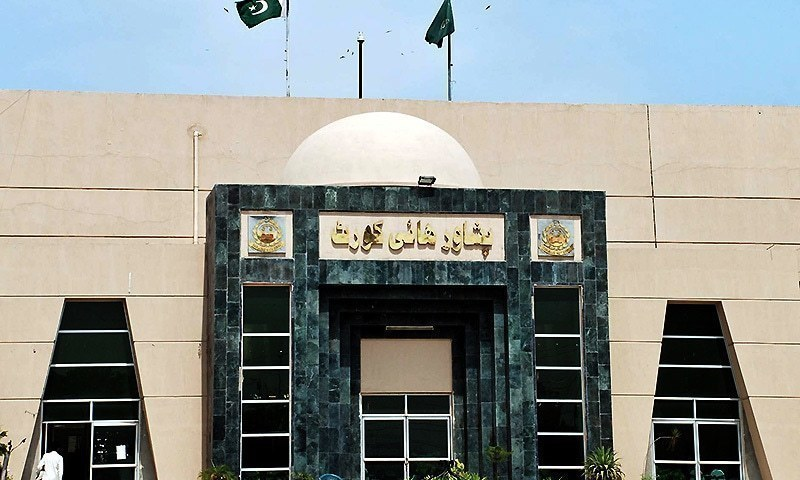

PESHAWAR: The applications of 109 Afghan nationals married to Pakistanis have been approved by the Peshawar High Court, with a directive for the issuance of Pakistan Origin Cards (POC) for them.
The decision was announced by a two-member bench consisting of Justice Arshad Ali and Justice Waqar Ahmed. These individuals sought POC through their application, as concerns rose among Afghans residing in Pakistan about deportation risks upon returning to Taliban-ruled Afghanistan after the abrupt withdrawal of US-led Western forces in 2021.
In court, Saifullah Muhib Ullah Kakakhel, representing the petitioner, argued that the POC allows foreign nationals to enjoy rights in Pakistan. However, he clarified that possessing such a card would not grant the right to hold a passport or vote.
Earlier the same day, Justice Ayesha Malik of the Supreme Court highlighted that Pakistan is obligated by United Nations conventions to safeguard the rights of refugees. She made this statement during proceedings involving a three-member bench, which included Justice Malik, Justice Sardar Tariq Masood, and Justice Yahya Afridi.
The bench addressed a series of petitions challenging the caretaker government’s decision to expel illegal immigrants, with the applicants seeking restraining orders against the deportation decision.
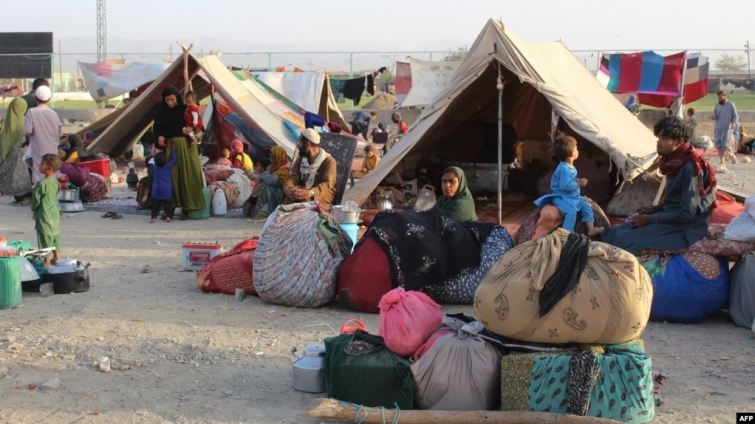
In response to the caretaker government’s directive for illegal immigrants to leave by November 1 or face deportation, more than 370,000 Afghans have left Pakistan since October 1. The court ultimately accepted the applications of the 109 Afghan nationals, ordering the issuance of the POC for them.
Pakistan currently hosts over 4 million Afghan migrants and refugees, with approximately 1.7 million undocumented. The influx increased, particularly after the Taliban regained control of Afghanistan in 2021, with many joining those who had been residing in Pakistan since the Soviet invasion in 1979.
Pakistani authorities, starting in Karachi, have been conducting door-to-door searches in refugee settlements to identify those who have not left voluntarily, forcing them to leave. Despite calls from international bodies and refugee agencies, Islamabad has not reconsidered its deportation plans.
