
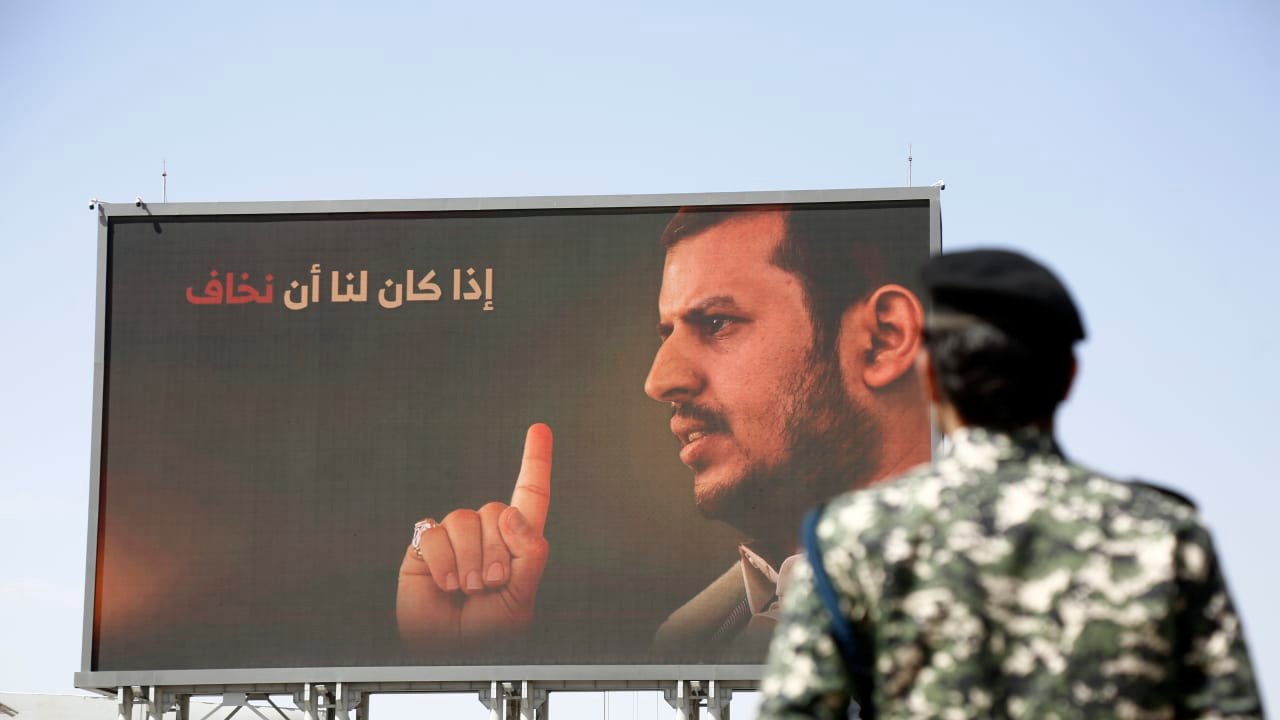

SANAA: Houthi leader Abdul Malik al-Houthi has emerged at the centre of renewed regional tensions after his forces swept through strategic areas along Yemen’s Red Sea coastline, strengthening their position around the Bab el-Mandeb Strait.
The offensive follows years in which the Houthis survived extensive military pressure from a Saudi-led coalition while developing drones and ballistic missiles. Moreover, the group has previously targeted Red Sea shipping and says its operations support Palestinians.
The Houthis deny acting as an Iranian proxy, while Saudi Arabia and its allies accuse Tehran of providing military support. Iran has denied some accusations surrounding its role.
Red Sea Advances Increase Houthi Strategic Leverage
The latest territorial gains have increased concerns about shipping through Bab el-Mandeb, one of the world’s important maritime trade routes.
Al-Houthi has largely remained physically removed from foreign officials and public events because of security concerns, often delivering speeches through video appearances.
Meanwhile, military spokesman Yahya Saree has become the movement’s most visible public military representative, regularly announcing claimed operations against regional targets.
Years of Conflict Transformed Houthi Military Capabilities
The Houthi movement emerged from Yemen’s Zaydi community and seized Sanaa in 2014. A Saudi-led coalition subsequently intervened in 2015, beginning years of intense warfare that devastated Yemen and produced a major humanitarian crisis.
A UN-brokered truce in 2022 reduced large-scale fighting but failed to deliver a permanent political settlement.
Consequently, renewed fighting has returned attention to al-Houthi’s leadership and the movement’s expanded military capabilities.
The latest advances along the Red Sea have also increased pressure on Saudi Arabia while placing the Houthis in a potentially influential position around a waterway crucial to international commerce.

