

Pakistan’s leading telecom companies could soon receive significant relief on electricity bills as the federal government moves closer to introducing cheaper industrial power tariffs for the sector.
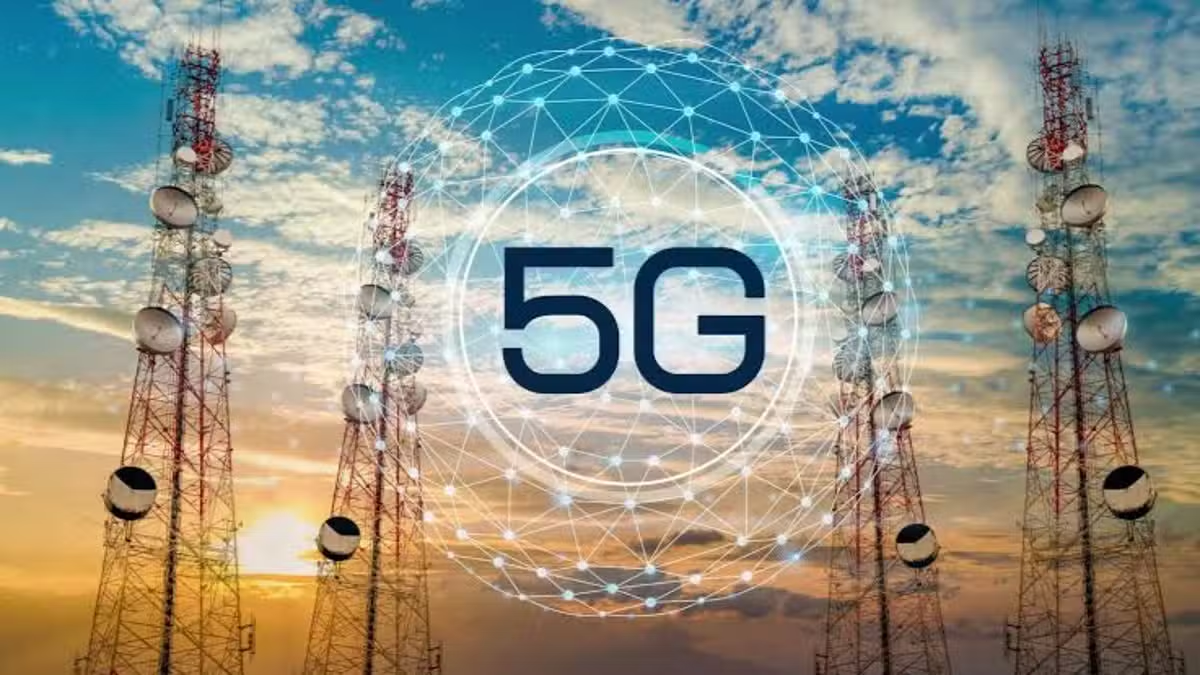
The proposed decision could reduce operating costs for mobile networks and support major investments in 5G technology, internet infrastructure, and digital services across Pakistan.
The Prime Minister’s Office has directed a special task force to finalize recommendations for extending industrial electricity rates to telecom infrastructure. The task force will consult the Power Division and Finance Division before submitting its proposals for federal government consideration.
The development follows a joint request from major telecom operators, including Jazz, Zong, Ufone, Telenor, and PTCL. The companies have urged Prime Minister Shehbaz Sharif to address rising electricity expenses that threaten future investments.
Telecom operators argue that the government has already recognized telecommunications as an industry. However, their infrastructure continues to face higher commercial electricity tariffs instead of the lower rates available to industrial consumers.
According to industry representatives, electricity tariffs for telecom sites have increased by approximately 197 percent since 2018. Fuel costs have also surged by nearly 300 percent, while average revenue per user has declined by around 22 percent.
These financial pressures have raised concerns about network expansion and the long-term sustainability of telecom operations.
The companies have committed approximately $2 billion in investment over the next three years. The planned spending includes 5G infrastructure, fiber-optic networks, and advanced data centers designed to support artificial intelligence and cloud services.
Under the proposed arrangement, cheaper electricity would apply to essential telecom infrastructure. This includes cellular towers, transmission stations, switching centers, network operating facilities, and eligible data centers.
Corporate offices, customer service centers, franchises, and retail outlets would remain excluded from the proposed tariff relief.
The Pakistan Telecommunication Authority would help establish eligibility requirements to ensure that electricity concessions benefit essential network infrastructure rather than unrelated commercial activities.
Telecom operators have also proposed creating a separate electricity consumer category for digital and telecom infrastructure if existing regulations prevent direct application of industrial tariffs.
The companies have pledged to reinvest potential savings into expanding 5G networks, improving rural connectivity, and developing fiber-optic infrastructure.
Government officials must still determine how the difference between commercial and industrial electricity rates would be financed. The final recommendations will address these financial implications and the mechanism for implementing the proposed relief.
If approved, the initiative could strengthen Pakistan’s telecommunications sector and accelerate digital infrastructure development. However, cheaper electricity for operators would not automatically mean lower mobile or internet package prices for consumers.
The final decision will depend on government approval and the completion of the required regulatory process.