

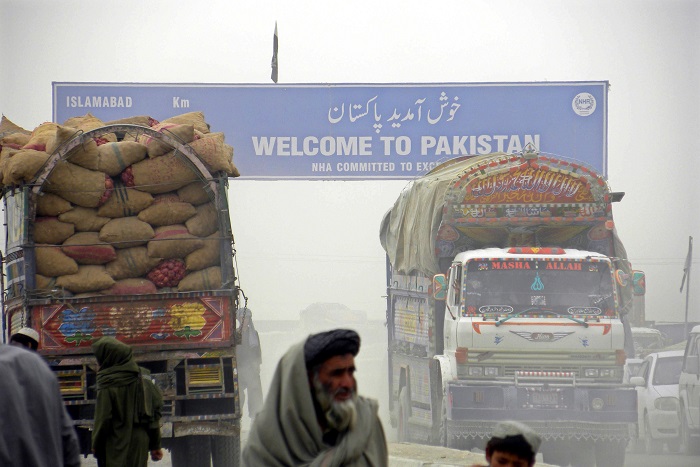

ISLAMABAD: While trade between Pakistan and Afghanistan has shown signs of recovery, Afghanistan’s transit trade through Pakistan has dropped dramatically by 84% following Pakistan’s comprehensive anti-smuggling crackdown, The News reported on Monday.
According to the latest data from Pakistan’s Customs Department, bilateral goods trade increased by 27%, reaching $1.575 billion during July–March of the current fiscal year (2024-25). This growth is largely driven by a 33% rise in Pakistan’s exports, which amounted to $1.05 billion, indicating stronger demand for Pakistani products in Afghanistan.
Afghanistan also increased its exports to Pakistan by 16%, totaling $524 million, with Afghan goods such as cotton, spices, and cereals maintaining a steady flow into Pakistani markets.
However, beneath the encouraging figures, a sharp decline in Afghanistan’s transit trade via Pakistan paints a different picture. The total value of transit trade has fallen drastically from $7.48 billion last year to just $1.2 billion between November 2023 and November 2024, marking an 84% collapse.
The first nine months of the fiscal year (July–March) saw a 64% drop in transit trade, which fell to $836 million from $2.33 billion in the same period last year. Imports to Afghanistan (forward cargo) plunged by 64%, while exports from Afghanistan (reverse cargo) decreased by 46%.
Pakistan’s export trends to Afghanistan have seen notable changes. Sugar exports soared by 4,333%, reaching $262.8 million from $5.9 million last year. Other sectors such as pharmaceuticals, cement, edible oils, and aluminum goods also saw double-digit growth. Agriculture and food exports surged by 43%, totaling $690 million, while manufacturing and engineering goods rose 18%, amounting to $353 million. However, textile and apparel shipments declined by 19%, and rice exports fell by 25%.
On the import side, cotton imports from Afghanistan doubled to $167 million, while spice imports jumped nearly five-fold to $21.2 million. In contrast, coal imports dropped by 20% to $71.5 million, fruit and nut imports fell 13% to $86.8 million, and LPG imports vanished completely.
Afghanistan’s transit trade, once a critical economic lifeline, has been severely impacted. Forward cargo imports to Afghanistan dropped by 86%, and reverse cargo exports via Pakistan were halved. Although March 2025 saw a 6% rise in transit trade compared to February, year-on-year figures show a steep decline of nearly 64%. Officials attribute this downturn to Pakistan’s intensified efforts against smuggling and the misuse of transit routes.
Despite the positive trends in official bilateral trade, the sharp decline in transit trade signals underlying geopolitical and logistical challenges. If current policies continue, Afghanistan may seek alternative trade routes, particularly through Iran and Central Asia, which could reduce Pakistan’s strategic trade importance. Nonetheless, the resilience in official trade highlights the ongoing interdependence between the two nations.
