

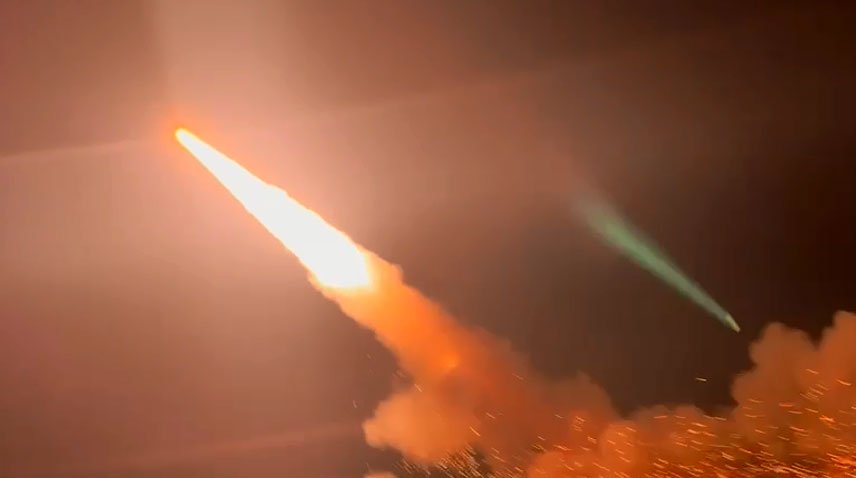

Pakistan’s Armed Forces have secured a decisive military triumph through Operation Bunyan-um-Marsoos, effectively repelling India’s failed campaign, Operation Sindoor, and establishing a new strategic precedent in South Asian warfare.
Between May 6 and May 10, 2025, Indian forces endured continuous setbacks as Pakistan’s Fatah-1 missile system delivered precise and devastating strikes on key land and air targets. The campaign marked a critical turning point in the conflict.
In a significant air superiority display, the Pakistan Air Force shot down five of India’s advanced combat aircraft—including three French-built Rafale jets, one Sukhoi Su-30, and one MiG-29—without losing a single Pakistani aircraft in response.
From May 7 to May 9, Pakistan successfully neutralized 77 Israeli-manufactured drones deployed by India, further degrading Indian aerial and surveillance capabilities. Multiple Indian military outposts across the Line of Control (LoC), including brigade and battalion headquarters, were systematically destroyed, signaling a major operational failure for Indian ground forces.
On the night of May 7–8, Pakistan intercepted and obliterated an Indian missile launch site in Dinga. The next day, its air defense network thwarted multiple BrahMos supersonic missile strikes. In return, Pakistan launched retaliatory attacks on 26 Indian military installations, devastating airbases and frontline positions using Fatah-1 missiles.
Operation Bunyan-um-Marsoos has been hailed by military analysts as a pivotal moment in regional military history. Former National Security Adviser Lt. Gen. (R) Nasser Janjua called it “the final nail in the coffin of Indian aggression.” Sources within Pakistan’s defense establishment insisted that India must now reverse its unilateral suspension of the Indus Waters Treaty and halt all covert operations in Balochistan and Khyber Pakhtunkhwa.
Diplomatically, Pakistan maintained a steady and calculated stance. Amid active combat, the country successfully secured a $1 billion bailout from the IMF, signaling economic resilience. Support from strategic partners—China, Saudi Arabia, and Türkiye—remained steadfast, while most Western nations adopted a neutral stance. Israel was the only country to openly back India.
In a key diplomatic development, Foreign Minister Ishaq Dar earned commendation from the UAE for his role in facilitating a ceasefire agreement. Throughout the campaign, Pakistan’s civil and military leadership remained cohesive, with national morale soaring in support of the armed forces.
India suffered setbacks not just on the battlefield, but across diplomatic and information domains. Pakistan’s media outlets effectively debunked Indian disinformation efforts, exposing internal unrest and the mistreatment of minority groups, particularly Sikhs, within India.
Operation Bunyan-um-Marsoos stands as a landmark in Pakistan’s military legacy—a symbol of strategic excellence, resilience, and national unity that will be remembered for generations.
