


The government of Punjab has rolled out a new update to the Punjab Safe Cities Authority (PSCA) app that allows citizens’ mobile phones to stream live video directly to the Safe City control room — a feature authorities claim will improve emergency response but one that raises serious privacy concerns.
Under the new system, when someone calls the emergency helpline 15, they receive a link that activates their phone’s camera and sends a real-time feed to authorities. While the PSCA frames this as a life-saving tool meant to verify incidents quickly, the implications for personal privacy are significant.
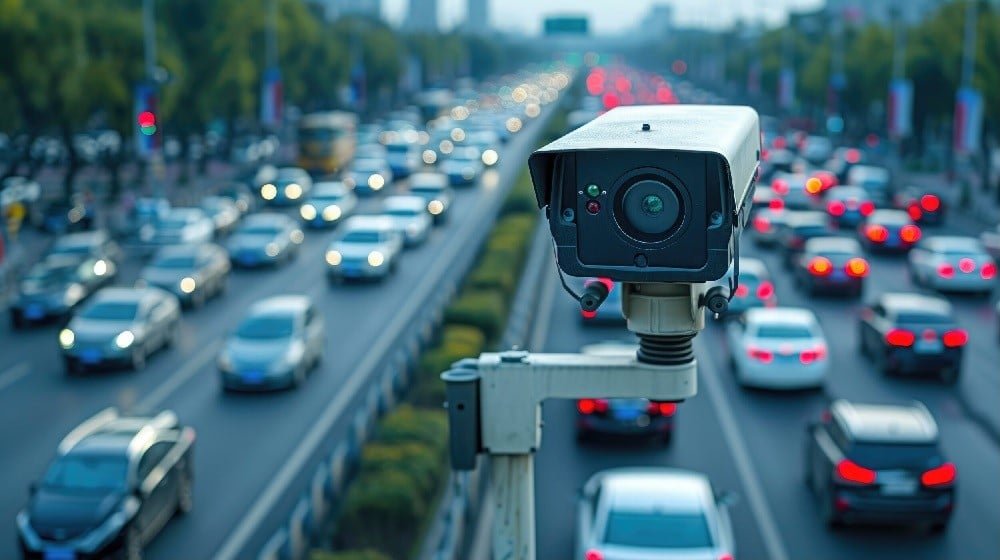
Pakistan already has a history of sensitive footage from fixed Safe City cameras being leaked or shared without authorization. Introducing a feature that effectively turns millions of private smartphones into roaming Safe City cameras heightens the risk of misuse.
The existing Safe City infrastructure already includes extensive surveillance tools such as city-wide cameras, automated number plate recognition, and growing facial recognition capabilities. Without strict laws governing who can access, store, or distribute video feeds, this new feature could open the door to unchecked surveillance and misuse of personal data.
There are multiple scenarios in which this system could go wrong. Citizens might begin recording others under the guise of reporting, creating an environment of constant monitoring. Emergency footage — often captured during vulnerable, chaotic, or sensitive moments — could be recorded, leaked, or even sold.
Live streams could be fed into facial recognition systems, enabling tracking of individuals without consent or legal justification. In the absence of clear policies, what begins as an emergency tool could evolve into a widespread mechanism of mass surveillance.
The feature does have legitimate potential to help responders act quickly in genuine emergencies, and PSCA states it is intended only for such situations. However, for it to be safe, it must be governed by strict boundaries.
This includes legal limits on when streaming is allowed, minimal data retention, transparent logs of access, penalties for misuse, and independent oversight to ensure accountability. Without these safeguards, a system presented as a public-safety innovation could easily become an invasive and unregulated surveillance apparatus, compromising citizens’ rights instead of protecting them.
