

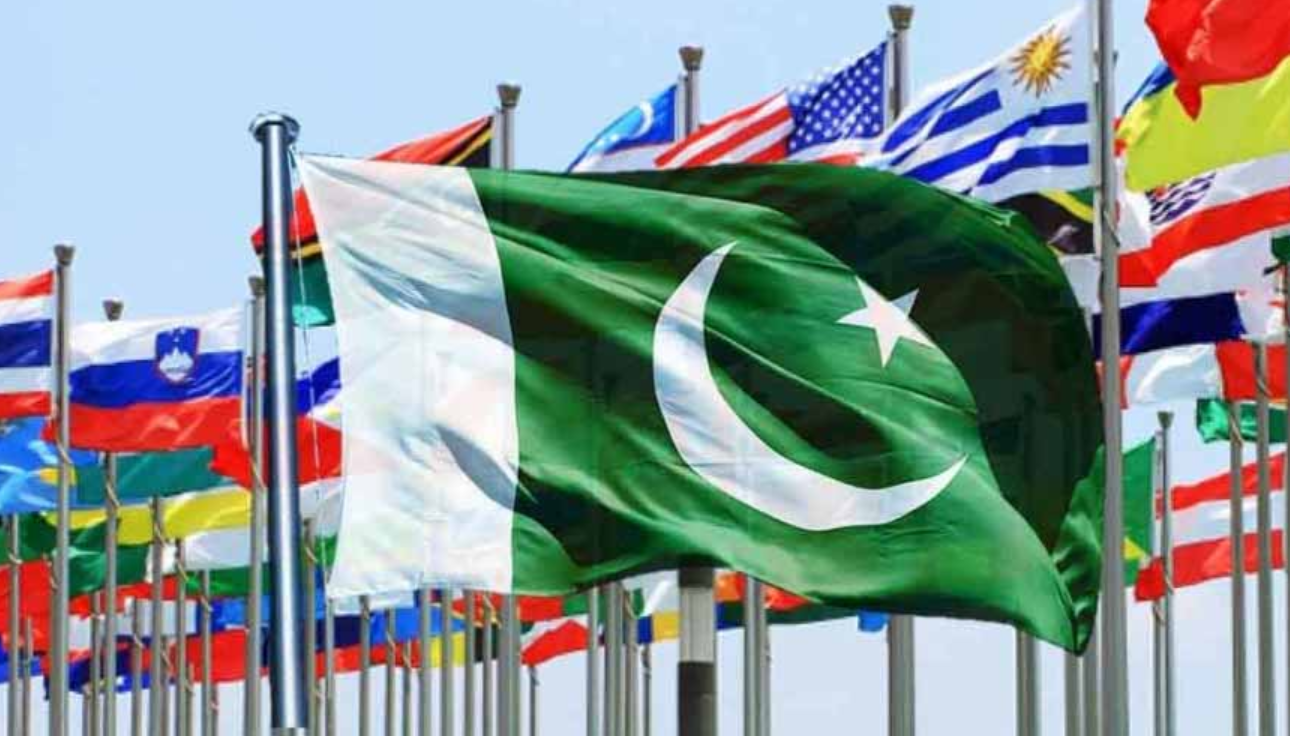

Pakistan witnessed an unprecedented surge in diplomatic engagement during 2025, marking a decisive shift in its foreign policy posture. The country’s leadership pursued active global outreach, aiming to strengthen alliances, restore confidence, and expand economic cooperation. President Asif Ali Zardari completed five foreign visits, while Prime Minister Shehbaz Sharif undertook 28 trips abroad. Meanwhile, Deputy Prime Minister and Foreign Minister Ishaq Dar led the effort with 43 international visits. Together, these 71 trips reflected an assertive and coordinated diplomatic strategy.
High-Level Engagements Shape Global Perception
Prime Minister Shehbaz Sharif focused on restoring Pakistan’s diplomatic relevance through targeted engagements. Early in the year, he attended the World Governments Summit in Dubai, setting the tone for economic diplomacy. Subsequently, visits to Saudi Arabia, Türkiye, Azerbaijan, Belarus, and the United Kingdom reinforced political trust and commercial cooperation. Notably, his May tour of Iran, Türkiye, and Azerbaijan, accompanied by Field Marshal Asim Munir, emphasized gratitude for regional support during Pakistan–India tensions.
Strategic Breakthroughs and Defense Cooperation
A major milestone arrived in September with the signing of a landmark defense agreement between Pakistan and Saudi Arabia. This development symbolized deepening strategic trust and long-term security cooperation. In the same month, Prime Minister Sharif and the army chief attended the United Nations General Assembly in New York. Their meeting with US President Donald Trump highlighted renewed bilateral engagement and sustained dialogue on regional stability.
Representation at Global Forums
Pakistan maintained strong visibility at key international platforms throughout 2025. Prime Minister Sharif addressed the UN General Assembly’s 80th session, raising issues of international peace, Kashmir, and Palestine. He also participated in the Arab Islamic Summit, the Shanghai Cooperation Organization Summit, the Economic Cooperation Organization Summit, and Saudi Arabia’s Future Investment Initiative Forum. These appearances projected Pakistan as an active stakeholder in global and regional affairs.
Ishaq Dar’s Intensive Diplomatic Outreach
Deputy Prime Minister Ishaq Dar played a central role in sustaining momentum. His participation in OIC meetings, SCO ministerial sessions, and UN forums reinforced Pakistan’s diplomatic messaging. Additionally, his visits to Saudi Arabia, China, Türkiye, Azerbaijan, the UAE, and Afghanistan focused on regional coordination, economic ties, and political dialogue.
Afghanistan and Counterterrorism Diplomacy
Pakistan also engaged in trilateral talks with China and Afghanistan to address cross-border security concerns. These discussions aimed to curb militancy and explore regional connectivity, including potential CPEC expansion. Although challenges persisted, Pakistan’s position on counterterrorism gained wider international acknowledgment during the year.
Foreign Leaders’ Visits to Pakistan
Pakistan hosted several prominent world leaders in 2025, underscoring renewed international interest. Visits by leaders from Türkiye, Iran, Malaysia, Jordan, Indonesia, and the United Arab Emirates focused on trade, security, and economic collaboration. Collectively, these exchanges signaled Pakistan’s reemergence as an active diplomatic player.
Outlook
Overall, Pakistan’s intensive diplomatic activity in 2025 reflected a deliberate effort to reposition the country globally. While challenges remain, the scale and consistency of engagement opened new pathways for dialogue, cooperation, and strategic relevance.
