

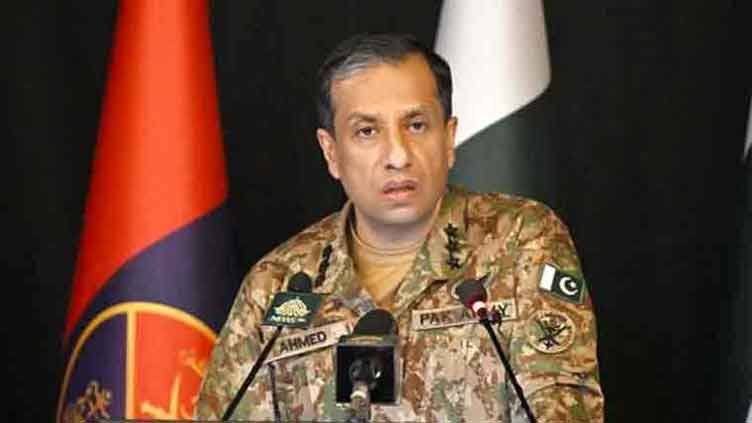

The Pakistan Army has once again called on Afghanistan to prevent its territory from being used by militant organizations targeting Pakistan. The statement follows unconfirmed reports of a Pakistani airstrike near Kabul that allegedly targeted Tehreek-e-Taliban Pakistan (TTP) chief Noor Wali Mehsud.
During a media briefing, Director General Inter-Services Public Relations (DG ISPR) Lt Gen Ahmad Sharif Chaudhry reiterated that Pakistan considers Afghanistan a “brotherly Islamic country”, but it must not allow its soil to serve as a base for non-state actors.
Pakistan Reiterates Its Right to Defend National Sovereignty
Lt Gen Ahmad Sharif stressed that Pakistan has consistently urged Afghanistan’s leadership to ensure its land is not exploited by terrorist elements. He highlighted that several attacks inside Pakistan have been traced back to hideouts across the border.
“We have always told the Afghan government not to let its territory be used against Pakistan,” he stated.
“If such elements continue to find refuge there, Pakistan will take all necessary steps to defend its people and sovereignty.”
The DG ISPR added that Pakistan has shared credible evidence with Afghan authorities regarding the presence and operations of terrorist networks operating from within Afghan territory.
DG ISPR Refuses to Confirm Reports of Kabul Airstrike
When asked whether Noor Wali Mehsud, the TTP leader, was the target of recent airstrikes reportedly carried out near Kabul, Lt Gen Ahmad Sharif declined to provide operational details. He neither confirmed nor denied the reports but stressed that Pakistan retains the right to act decisively if provoked.
He emphasized, however, that Afghanistan bears full responsibility for preventing its territory from becoming a launchpad for cross-border terrorism.
“If Afghanistan fails to act against these elements, then those facilitating such activities should be prepared for a firm state response,” he warned.
Pakistan’s Stance on Cross-Border Terrorism
Over the past year, Pakistan has witnessed a sharp resurgence in terrorist attacks, particularly in the Khyber Pakhtunkhwa and Balochistan provinces. Many of these attacks have been linked to groups operating from Afghan soil, prompting Islamabad to increase diplomatic and military pressure on Kabul.
Pakistan maintains that cross-border infiltration and the presence of the TTP leadership inside Afghanistan violate regional security commitments. Despite repeated engagements between the two countries, the issue remains unresolved, posing a serious challenge to border stability and peace efforts.
Calls for Bilateral Cooperation to Prevent Escalation
Military analysts believe that the Pakistan Army’s recent remarks underline a shift toward stronger counterterrorism measures. Experts suggest that Islamabad’s patience is wearing thin as attacks on its security forces continue despite promises from Kabul to prevent militant activities.
For lasting regional peace, both countries are urged to engage in constructive dialogue and develop joint border management mechanisms. Pakistan’s leadership has repeatedly expressed willingness to cooperate, provided Afghanistan takes concrete action against terrorist sanctuaries operating within its borders.
Pakistan’s renewed warning to Afghanistan reflects growing frustration over continued cross-border militancy and unfulfilled security commitments. While the army refrained from confirming airstrikes near Kabul, the message remains clear, Islamabad will not tolerate threats to its national security and is prepared to take decisive measures to safeguard its citizens and territory.
