

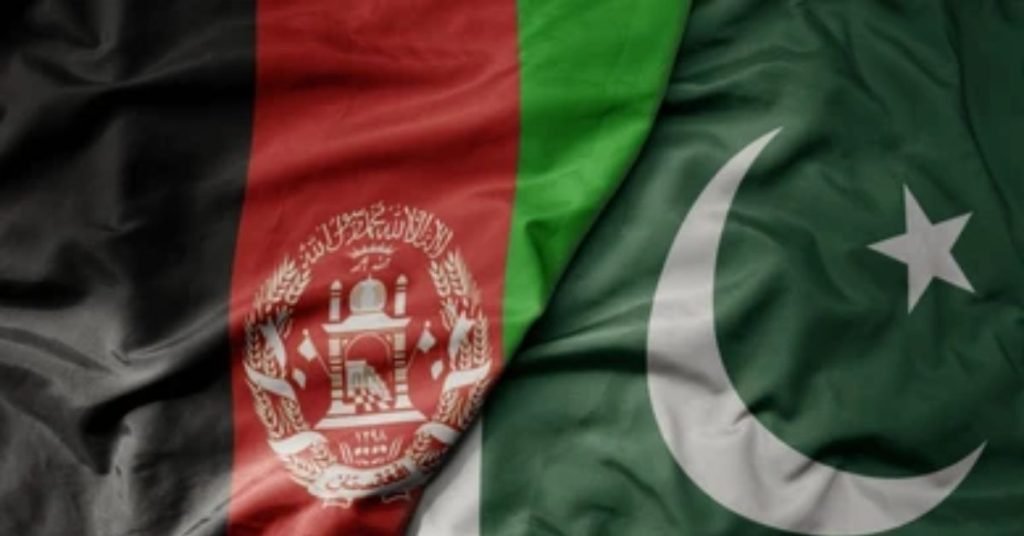

ISLAMABAD: Deputy Prime Minister and Foreign Minister Ishaq Dar announced on Friday that Pakistan will upgrade its diplomatic representation in Afghanistan by appointing an ambassador in Kabul, replacing the current Chargé d’Affaires—a move signaling a shift toward deeper engagement with its neighbor.
In a post on X, Dar stated that Pakistan-Afghanistan relations are on a “positive trajectory” following his “very productive” visit to Kabul on April 19.
“I am confident this step will further strengthen engagement and deepen cooperation in economic, security, counter-terrorism, and trade matters, while promoting broader exchanges between our two fraternal nations,” Dar said.
Although Pakistan and Afghanistan maintain embassies in each other’s capitals, both are currently headed by chargés d’affaires. Pakistan’s decision marks a step toward formalizing full diplomatic ties with the Taliban-led administration.
China was the first country to accept an ambassador from the Taliban government, despite not officially recognizing it. The UAE and a few others have since followed suit.
Pakistan and Afghanistan share a 2,500-kilometer porous border with several key crossing points that facilitate trade and people-to-people exchanges. However, tensions have persisted, particularly over cross-border terrorism. Islamabad has repeatedly urged Kabul to prevent militant groups like the Tehreek-e-Taliban Pakistan (TTP) from using Afghan soil to launch attacks inside Pakistan.
Recently, signs of cooperation have emerged. Afghan Taliban commander Saeedullah Saeed issued a warning to militants, denouncing attacks on Pakistani forces under the guise of jihad.
Earlier this month, China hosted an informal dialogue between Pakistan and the Taliban administration. Following the meeting, Chinese Foreign Minister Wang Yi announced that both countries had agreed in principle to exchange ambassadors soon. The discussions also included Afghanistan’s acting Foreign Minister Amir Khan Muttaqi.
During the Beijing talks, Islamabad and Beijing reaffirmed plans to extend the China-Pakistan Economic Corridor (CPEC) into Afghanistan, aiming to enhance regional connectivity and economic cooperation. The three countries also agreed to resume the trilateral dialogue, with the next China-Afghanistan-Pakistan Foreign Ministers’ meeting to be held in Kabul.
The thaw in ties follows a rare meeting between Dar and Muttaqi in Kabul last month, where the Afghan side raised concerns over Pakistan’s deportation of thousands of Afghan nationals. Both sides committed to continue dialogue in a constructive manner, addressing issues including security, trade, and regional transit cooperation.
