
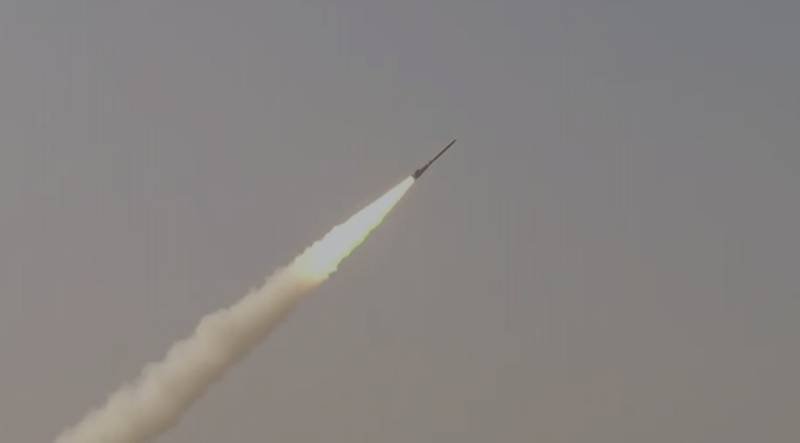

Pakistan has successfully test-launched the Fatah-3 supersonic cruise missile, marking another major development in the country’s defence technology. The advanced weapon system aims to strengthen the Pakistan Army’s long-range strike capabilities and improve national security.
The Pakistan Army conducted the successful missile test on Wednesday, November 18, 2026. The military described the achievement as an important milestone in strengthening Pakistan’s conventional defence capabilities.
According to Inter-Services Public Relations (ISPR), the Fatah-3 features advanced navigation and propulsion systems. These technologies allow the missile to travel at supersonic speeds and engage distant targets with high precision.
The missile’s high-speed capability is a major feature of the new weapon system. Supersonic missiles travel faster than the speed of sound, potentially reducing the time available for defensive responses.
Military officials said the Fatah-3 would significantly improve the operational flexibility of the Pakistan Army’s Rocket Force Command.
The system is also expected to strengthen the command’s ability to engage targets at extended distances.
According to the military, the successful launch will contribute to Pakistan’s conventional deterrence strategy. The country continues developing modern weapon systems to maintain its defence preparedness.
The test was witnessed by the Commander of the Army Rocket Force Command, senior military officers, scientists and engineers.
Their presence highlighted the coordination between Pakistan’s armed forces and technical experts involved in defence development.
President Asif Ali Zardari and Prime Minister Shehbaz Sharif congratulated the teams responsible for the successful test.
Chief of Army Staff and Chief of Defence Forces Field Marshal Syed Asim Munir also praised the achievement.
The services chiefs appreciated the scientists, engineers and military personnel who contributed to the programme. They acknowledged their technical expertise, dedication and commitment to strengthening national defence capabilities.
The Fatah-3 launch comes as Pakistan continues investing in advanced missile technology.
In October 2026, Pakistan successfully tested an extended-range version of the Fatah-4 ground-launched cruise missile. The earlier test also focused on improving precision and long-range engagement capabilities.
These developments reflect continued efforts to modernize the country’s conventional military systems.
However, officials have not publicly disclosed the exact operational range, production schedule or deployment timeline of the Fatah-3 in the latest announcement.
The successful launch demonstrates progress in Pakistan’s missile development programme. Its full operational capabilities will depend on further testing, evaluation and integration into military service.
The latest development raises an important question: How much will the Fatah-3 strengthen Pakistan’s defence capabilities as advanced missile technology becomes increasingly important in modern warfare?

