
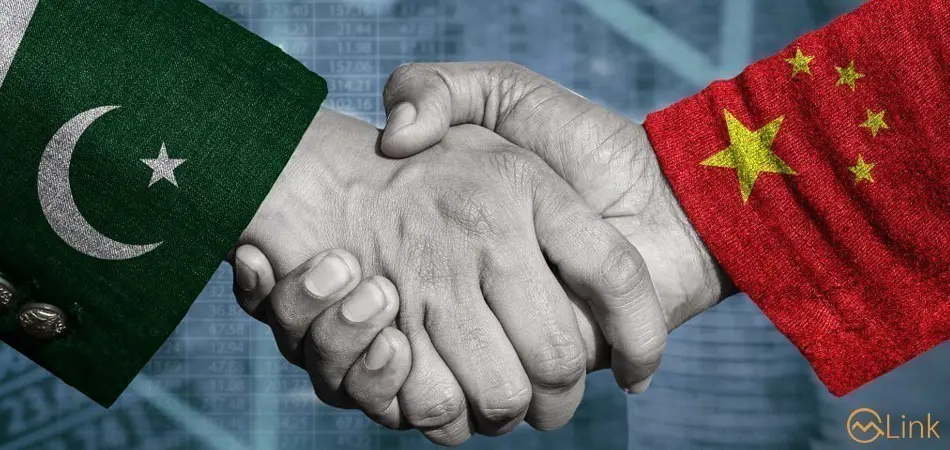

ISLAMABAD: Pakistan is targeting export-led economic growth and greater private-sector investment under the second phase of the China-Pakistan Economic Corridor (CPEC), with authorities prioritising industrial development, agriculture and technology.
The strategy forms part of the CPEC Action Plan 2025–2029, finalised during Prime Minister Shehbaz Sharif’s visit to China in August 2025. Authorities have reviewed progress during the plan’s first year and directed ministries to accelerate implementation.
Planning Minister Ahsan Iqbal said the private sector must lead efforts to transform CPEC opportunities into economic activity, while the government creates an enabling environment for investment.
CPEC Phase-II Shifts Focus Towards Industry and Exports
Iqbal said CPEC Phase-I attracted around $25 billion in Chinese investment and added nearly 8,000 megawatts to Pakistan’s electricity generation capacity. Thar coal development and the fibre-optic network also featured among its major achievements.
Meanwhile, Phase-II will focus on business-to-business cooperation, industrialisation, agricultural modernisation, minerals, human capital and technology.
The programme aligns with URAAN Pakistan through Growth, Livelihood, Innovation, Green Economy and Openness corridors.
Furthermore, the government plans to send 1,000 agricultural experts to China for training in modern technologies, supporting what Iqbal described as “Green Revolution 2.0”.
Government Sets $100 Billion Export Target for 2035
Iqbal termed export expansion a “national emergency” and said Pakistan must achieve $100 billion in exports by 2035 to strengthen economic sustainability.
Consequently, he called for stronger government-private sector cooperation to improve competitiveness and establish “Made in Pakistan” as a globally recognised brand.
Additionally, the minister urged relevant ministries to execute CPEC Phase-II projects on schedule.
Iqbal stressed that political instability could undermine economic transformation and called for national unity, reforms and better governance to convert Pakistan’s strategic and diplomatic gains into lasting economic benefits.

