


Excellence in Training and Operational Readiness
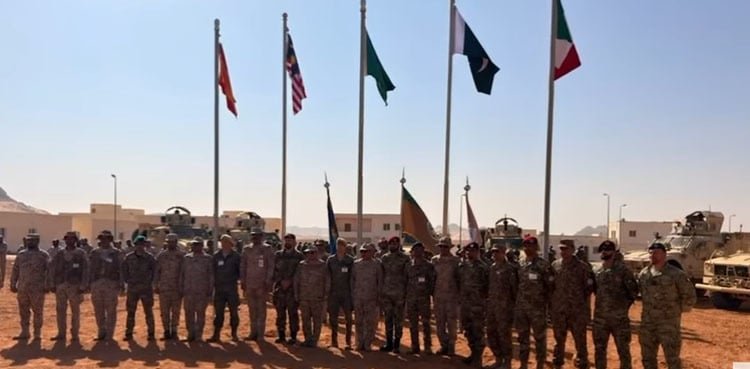
The joint counter-terrorism exercise, Al Battar-II, between the Pakistan Army and the Royal Saudi Land Forces concluded on Wednesday, the Inter-Services Public Relations (ISPR) announced. The drills showcased exceptional standards of professionalism, operational skill, and interoperability between the troops of both nations.
The exercise focused on enhancing joint proficiency in counter-terrorism operations. Troops trained extensively in urban warfare scenarios, countering improvised explosive devices (IEDs), and refining tactical drills through integrated exercises. According to the ISPR, all objectives were successfully achieved, reinforcing the readiness and coordination of both armed forces.
“The exercise served to further strengthen the historic military-to-military ties between Pakistan and Saudi Arabia,” the statement said. The drills also demonstrated a shared commitment to regional peace, security, and collaborative defence preparedness.
Strategic Cooperation and Future Partnership
The closing ceremony was attended by senior officials from both countries. The General Officer Commanding (GOC) of Pakistan’s Special Services Group (SSG) attended as the chief guest. Earlier, the Saudi armed forces chief expressed the kingdom’s intent to elevate defence and strategic cooperation with Pakistan to new heights.
The Al Battar-II exercise follows the signing of the Strategic Mutual Defence Agreement between Pakistan and Saudi Arabia in September in Riyadh. The agreement ensures that any attack on either nation will be considered an act of aggression against both, further cementing the long-standing defence partnership.
ISPR emphasized that these joint exercises not only enhance tactical and operational capabilities but also foster mutual trust and understanding between the two militaries. Such collaborations reflect the enduring bond and shared commitment of Pakistan and Saudi Arabia to counter-terrorism and regional stability.
The successful completion of Al Battar-II highlights the growing defence cooperation between the two brotherly countries and sets a precedent for future strategic and military collaborations.
