
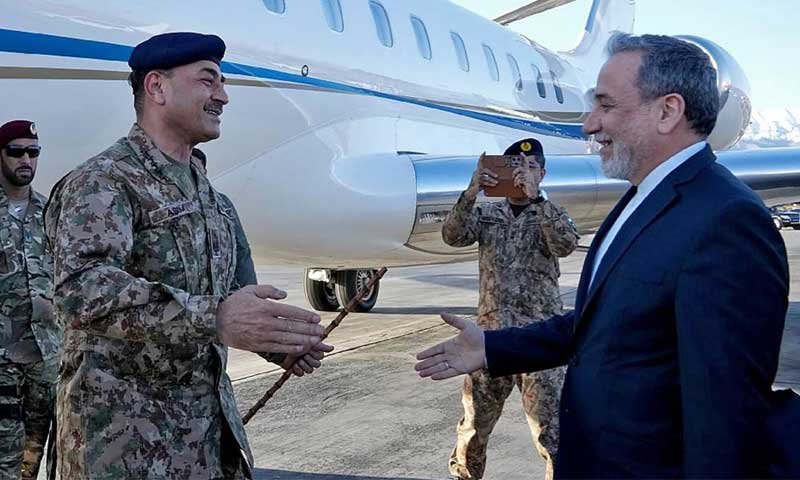

Foreign Office says Tehran visit reflected Islamabad’s independent mediation efforts aimed at ending US-Iran military stalemate
ISLAMABAD: Pakistan’s Foreign Office on Thursday rejected claims that Chief of Defence Forces and Army Chief Field Marshal Asim Munir travelled to Iran as an envoy of the United States, calling the reports “misleading and factually incorrect”.
FO spokesperson Tahir Andrabi told a weekly briefing that Munir’s August 24 visit focused on regional de-escalation, breaking the military stalemate and exploring a negotiated settlement between Washington and Tehran.
He stressed that Pakistan undertook the visit purely within its role as a mediator. Moreover, he said Iranian leaders appreciated Islamabad’s efforts to bridge differences and promote a peaceful resolution.
Islamabad Pushes for Revival of Peace Talks
Andrabi said Pakistan would continue diplomatic engagement with regional partners to revive negotiations and seek a comprehensive and lasting settlement. Deputy Prime Minister Ishaq Dar has also remained engaged with regional counterparts, including Turkish Foreign Minister Hakan Fidan.
Meanwhile, Pakistan continues to view the June Islamabad memorandum between Washington and Tehran as an important framework. The agreement envisaged reopening the Strait of Hormuz but later unravelled amid disagreements over implementation.
Pakistan Seeks Concrete Afghan Counterterrorism Steps
Separately, Andrabi said Pakistan remained open to state-level dialogue with Afghanistan but demanded “tangible actions” rather than assurances. He urged Kabul to prevent Afghan territory from being used by militant groups targeting Pakistan.
Furthermore, the FO rejected former Indian defence chief Anil Chauhan’s claims concerning Kirana Hills during the May 2025 conflict, insisting no strategic Pakistani asset was compromised.
Addressing Bangladesh’s interest in the Makkah Joint Defence Agreement, Andrabi described the Pakistan-Saudi Arabia-Turkiye pact as an evolving defensive security framework.
He said additional countries sharing its collective security commitments could potentially join, although members would jointly consider any formal request.

