
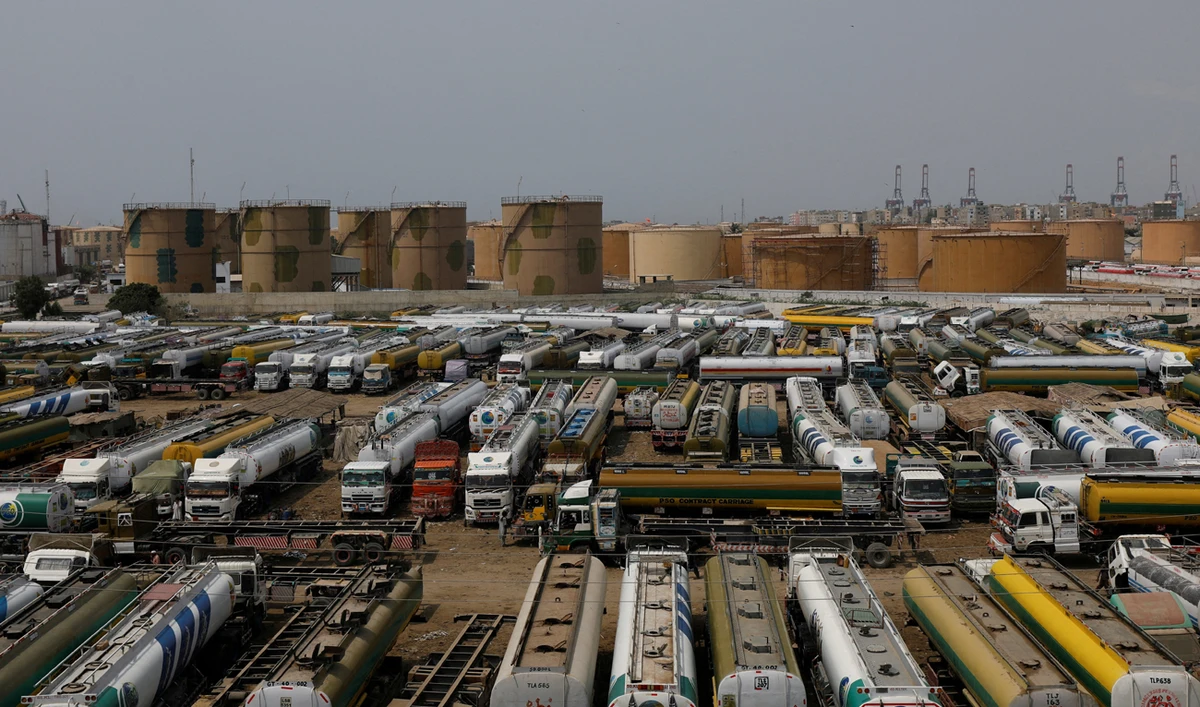

Pakistan’s crude oil imports rose 12% year-on-year to 2.78 million tonnes during the first quarter, according to reported petroleum import data. The increase highlights the country’s continued reliance on imported crude to meet its energy and refining requirements.
The rise in import volumes comes as Pakistan works to meet domestic fuel demand and maintain supplies for its refining sector. Changes in international oil prices, refinery operations and local consumption can all influence import levels.
Crude Oil Imports Show Growth
Pakistan imported 2.78 million tonnes of crude oil during the quarter, marking a 12% increase compared with the same period last year.
Higher import volumes can reflect increased refinery requirements or changes in domestic petroleum demand. However, the overall impact also depends on global prices and the cost of transporting crude oil to Pakistan.
Energy Sector Remains Dependent on Imports
Pakistan relies on imported crude oil to supply local refineries, which process it into petrol, diesel and other petroleum products. Therefore, changes in international supply and prices can affect the country’s energy costs.
Fluctuations in global oil markets also influence Pakistan’s import bill and foreign exchange requirements. As a result, higher import volumes may increase external payment pressures if international prices rise at the same time.
Outlook for Petroleum Imports
Pakistan’s future crude oil import levels will depend on domestic fuel consumption, refinery demand and international market conditions. Government policies and developments in global energy markets may also influence purchasing decisions.
Strengthening refinery efficiency and improving energy planning could help manage costs and reduce supply risks. Meanwhile, monitoring import trends remains important for assessing Pakistan’s wider energy needs and external trade position.
For the latest updates, visit and follow The Truth International website (www.thetruthinternational.com) and subscribe to the YouTube Channel.

