

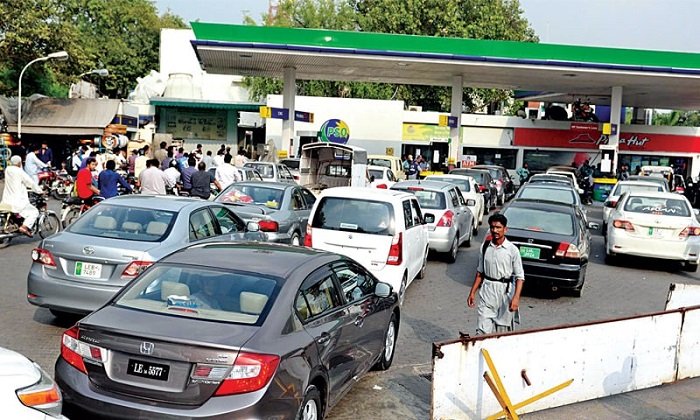

Ogra assures sufficient reserves but moves to secure additional supply as regional tensions rise
In response to growing instability triggered by the Iran-Israel conflict, Pakistan has ordered emergency fuel imports and instructed Oil Marketing Companies (OMCs) to maintain minimum 20-day reserves of petrol, the Oil and Gas Regulatory Authority (Ogra) announced on Saturday.
“All OMCs have been directed to uphold the mandatory fuel reserve levels as outlined in their licensing agreements,” an Ogra spokesperson said.
Despite the move, Ogra clarified that current petroleum reserves are sufficient to meet national demand.
“We are closely monitoring the evolving regional situation to ensure an uninterrupted fuel supply,” the spokesperson added.
Accelerated Imports and Strategic Measures
Authorities are expediting fuel imports, including rescheduling the arrival of an oil vessel that was originally set to dock on July 6. The vessel, carrying 70 million litres of petrol, is now expected to arrive by June 26.
Additionally, Pakistan State Oil (PSO) has confirmed that 140 million litres of petrol will be added to the national supply by July 1, with emergency tenders under consideration depending on further developments in the Gulf.
Officials at the Pakistan National Shipping Corporation (PNSC) have cautioned that any disruption in key shipping lanes, particularly the Strait of Hormuz, could have serious implications for Pakistan’s energy security, as the country relies heavily on Gulf oil imports.
Rising Costs and Operational Disruptions
- Freight rates for oil tankers have surged by up to 15%, now costing between $1.1 million and $1.2 million per trip—up from the previous $900,000.
- Insurance premiums have also jumped, from $15,000 to $22,000 per voyage.
- One PNSC vessel reportedly experienced a two-hour delay due to GPS signal disruptions in the Strait of Hormuz, underscoring new operational challenges in the region.
No Relief in Petroleum Levy
Government officials have ruled out any cut in the Petroleum Development Levy (PDL), despite rising global prices.
At a recent National Assembly Standing Committee on Finance meeting, Finance Secretary Imdadullah Bosal confirmed that while reserves are stable, any continued global price hike will be reflected in domestic prices.
“We’re monitoring the situation closely,” Bosal said. “But if global oil prices continue to rise, local adjustments will be necessary—and the levy will remain in place.”
Opposition Concerns and Government Response
Opposition Leader Omar Ayub voiced concern over the impact of the conflict on Pakistan’s budget deficit and trade imbalance, warning that the country is already trapped in domestic debt.
In a rare bipartisan moment, Finance Minister Muhammad Aurangzeb agreed with the concerns, noting that Prime Minister Shehbaz Sharif has constituted a high-level committee to monitor petroleum stockpiles and price fluctuations.
Regional Backdrop
The emergency measures come amid a dramatic escalation in the Middle East, with Israeli airstrikes reportedly killing at least 430 people in Iran and injuring over 3,500, according to Iranian state media.
As the situation grows more volatile, Pakistan’s energy security and economic stability may increasingly hinge on the government’s ability to adapt to global supply shocks.
