
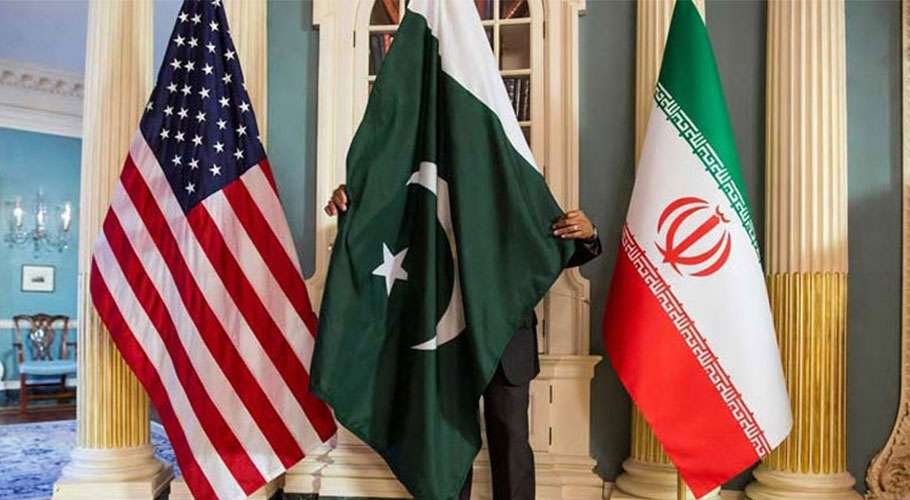

Pakistan has reached a crucial juncture amid the ever-changing dynamics of the region. As opposed to the situation last year, when the standoff with India took center stage, the dynamics of today present much greater complexity and layers. Apart from the rising tensions with Afghanistan, the confrontation between Iran and the US has created additional pressures for Pakistan. As the one-year anniversary of the May incident draws near, the exchange of harsh statements between Pakistan and India is regaining momentum.
Shifting Regional Dynamics and Lingering Tensions
More than one year has elapsed since the short but sharp flare-up. It was precipitated by the events that took place in Pahalgam on April 22. The events in question had altered the regional power balance. India seemed to lose its clout, whereas Pakistan appeared to gain some diplomatic space. Nonetheless, considering the recent declarations made by officials from both states, another outbreak of military tension is improbable for the time being.
While Pakistan’s strategic interests have also widened to encompass its eastern frontiers, it cannot ignore the tension that exists between it and Afghanistan. This tension is fueled by fears of security threats coming from the other side of the frontier. Moreover, Pakistan’s involvement in larger diplomatic initiatives speaks of its efforts to manage various interests simultaneously.
Balancing Global Alliances and Strategic Interests
The foreign policy of Pakistan is now characterized by a delicate balance between two aspects. In this respect, the country has been trying to forge better relations with Gulf states.
Meanwhile, it is also maintaining its relationship with major world players such as China and America.
Nonetheless, the conservative stance adopted by China regarding Middle Eastern disputes is unlike that of Pakistan.

