
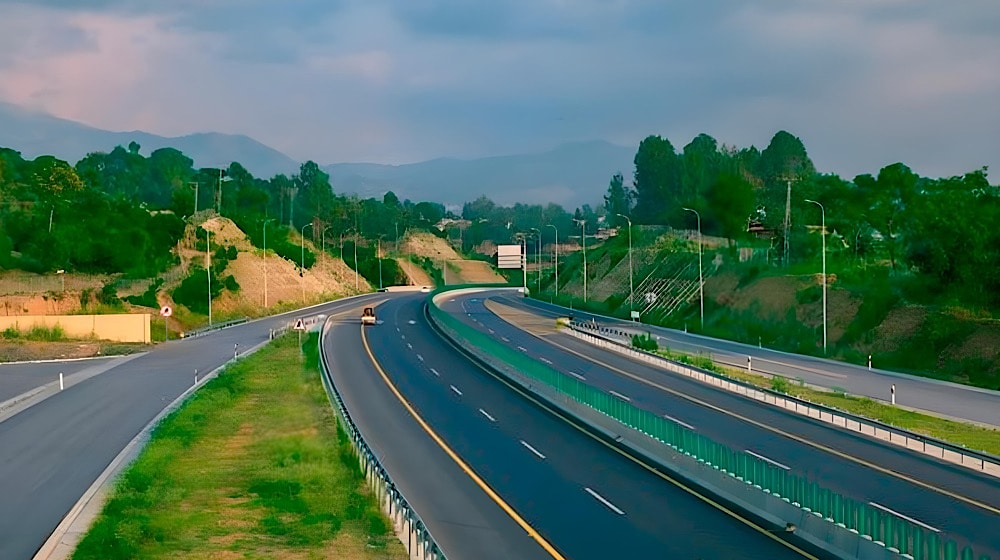

Pakistan has introduced new speed limits on motorways and highways to reduce fuel consumption nationwide. The move supports broader government efforts to manage energy resources more efficiently.
Authorities say the updated limits aim to encourage responsible driving while conserving fuel. At the same time, officials expect the policy to improve overall traffic discipline.
Moreover, the decision comes as the government implements several measures to reduce national fuel usage. Therefore, transport regulations have become an important part of the energy management strategy.
Revised Speed Limits for Cars and Light Vehicles
Under the new rules, motorcars and light transport vehicles must follow revised limits on major roads.
On motorways, these vehicles can now travel at a maximum speed of 100 kilometers per hour. Previously, higher speeds were allowed on many motorway sections.
However, on highways the limit has been reduced further. Motorcars and light transport vehicles can now travel at 80 kilometers per hour.
Officials believe the adjustment will help reduce unnecessary fuel consumption during long-distance travel. In addition, steady driving speeds often improve vehicle efficiency.
New Limits for Public and Heavy Transport Vehicles
Public service vehicles and heavy transport vehicles also face revised limits under the new policy.
On motorways, buses and heavy trucks can travel at a maximum speed of 90 kilometers per hour. Meanwhile, the highway limit for these vehicles has been set at 65 kilometers per hour.
Authorities say heavy vehicles consume significant fuel during high-speed travel. Therefore, lower limits can help control energy usage while maintaining road safety.
Furthermore, slower speeds allow better control of large vehicles, especially on busy highways.
Policy Aims to Promote Efficient Fuel Usage
Officials say the updated speed limits focus on improving fuel efficiency across the transport sector.
When vehicles travel at moderate speeds, engines consume fuel more efficiently. As a result, reduced speed limits can lower national fuel demand over time.
In addition, smoother traffic flow may reduce congestion on major roads. Consequently, drivers could experience safer and more predictable journeys.
Authorities also believe that disciplined driving habits will improve motorway safety.
Drivers Urged to Follow the New Rules
Authorities have urged motorists to follow the updated speed limits strictly. Compliance will help ensure road safety and support national fuel conservation efforts.
Moreover, drivers are encouraged to adopt responsible driving habits. Maintaining steady speeds can reduce fuel waste and protect vehicle engines.
Officials emphasize that every driver plays a role in conserving national resources. Therefore, cooperation from the public remains essential for the success of this policy.
Part of Wider Energy Management Efforts
The revised speed limits form part of broader government measures to reduce fuel consumption. Policymakers continue exploring ways to ease pressure on national energy resources.
Transportation policies now play a key role in these efforts. By regulating road speeds, authorities hope to balance mobility with energy conservation.
Ultimately, the policy seeks to protect both the economy and the environment. Meanwhile, drivers are expected to adjust quickly to the new limits.
If followed consistently, the measures could help reduce fuel demand across Pakistan’s road network.

