

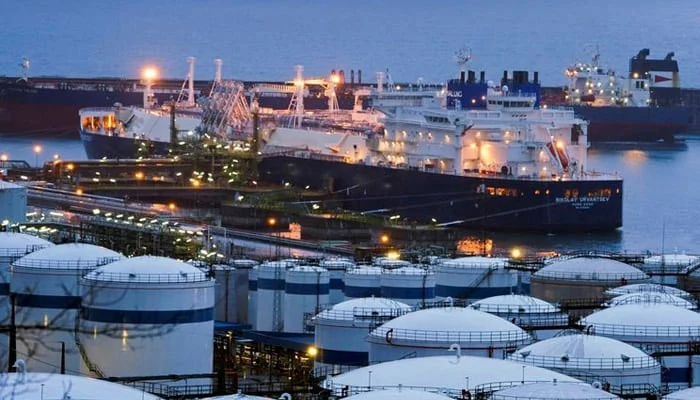

Pakistan has recently issued a new tender to acquire spot cargoes of liquefied natural gas (LNG) to address its winter demand. This move comes after a year of unsuccessful attempts to secure LNG supplies from the global market. The state-owned Pakistan LNG Limited (PLL) has invited bids from international suppliers for two LNG cargoes, each containing 140,000 cubic meters, scheduled for delivery in December at Port Qasim in Karachi. The specified delivery windows are December 7-8 and December 13-14, as indicated in the tender document.
PLL is responsible for procuring LNG on behalf of the federal government to meet the country’s gas requirements through its two LNG import terminals, with a focus on public sector distribution.
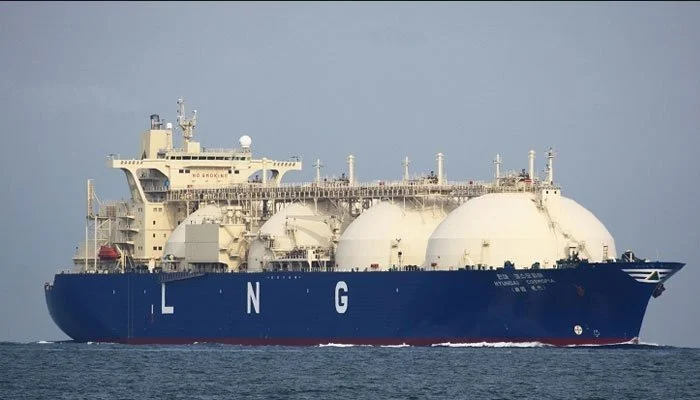
Pakistan has faced challenges in sourcing LNG from the volatile spot market since the beginning of the conflict between Ukraine and Russia in February 2022. Concerns about the country’s credit risk have partly hindered previous attempts to purchase LNG, leading to a lack of interest from sellers. Pakistan already grapples with chronic energy shortages, making LNG a critical resource, as it accounts for more than one-third of power generation in the nation. Local gas reserves are insufficient to meet the growing demand for electricity in a country with a population of over 230 million.
In July of the current year, PLL encountered difficulties in procuring LNG, with bidding companies offering winter LNG cargoes at a premium of up to 30% above market prices. Consequently, PLL decided against purchasing these costly gas cargoes.
Primary Challenges
Energy Minister Muhammad Ali has noted that natural gas supply in the system has decreased by 20% compared to the previous year, leading to concerns about gas availability for consumers. To bridge this gap, the government is making efforts to import more LNG, even though it is an expensive option. The current spot rate for LNG is $15 per unit, while domestic consumers in Pakistan are buying it at $1.5 per unit, creating an unsustainable situation.
Minister Ali outlined two primary challenges in LNG importation. First, LNG purchase contracts are typically made before the LNG is produced, requiring long-term buying contracts to ensure a consistent supply of gas. Second, Pakistan is exploring government-to-government (G2G) arrangements to secure gas supplies.
In response to these challenges, Pakistan is considering inviting fresh bids for spot LNG purchases to meet winter demand and minimize gas shortages. Additionally, efforts are underway to maximize the utilization of existing LNG terminals and remove obstacles to establishing new ones. The caretaker government is now considering the construction of a third terminal, which faced delays due to litigation.
Domestic gas production declines are expected to nearly triple LNG demand in Pakistan over the next five years. The nation will require 25 LNG cargoes per month, up from the current nine, to meet its growing energy needs. This increased demand has arisen due to Pakistan’s struggles to secure sufficient LNG supply, especially after prices reached record highs last year.
