

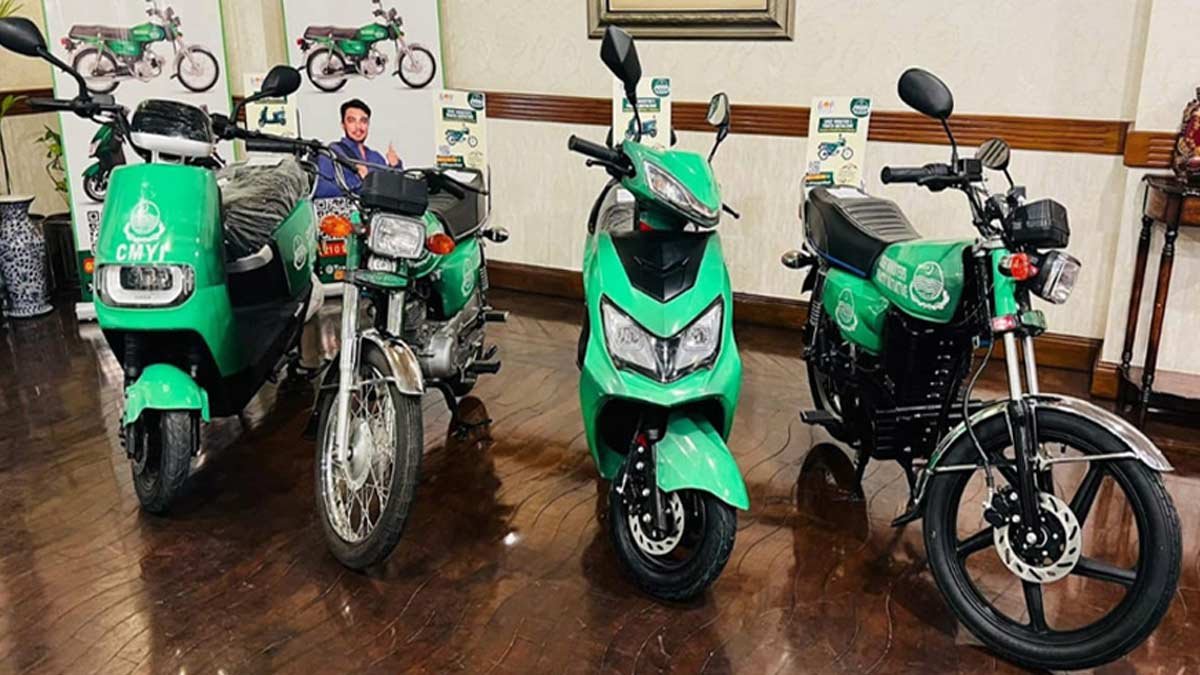

Pakistan Offers Subsidies for Electric Vehicles
In a major push toward green mobility, the Pakistani government has announced subsidies for electric vehicles (EVs). This initiative covers electric bikes, rickshaws, and cars, aiming to encourage citizens to adopt eco-friendly transportation and reduce urban pollution.
1. Scope of the Subsidy
The subsidy program is designed to make electric vehicles more affordable and accessible. Key points include:
- Subsidies applicable for electric two-wheelers, three-wheelers, and cars.
- Financial assistance directly reduces the purchase cost for consumers.
- Aimed at promoting clean energy adoption across urban and semi-urban areas.
This is expected to significantly increase the adoption rate of EVs in Pakistan.
2. Benefits for Consumers
Consumers can expect multiple advantages from this initiative:
- Lower upfront costs when purchasing eligible electric vehicles.
- Reduced dependency on fuel, translating to long-term savings.
- Environmentally friendly transportation, contributing to cleaner air in cities.
- Potential access to charging infrastructure support, making EV usage convenient.
For first-time EV buyers, this subsidy makes the switch more financially viable.
3. Impact on the EV Market
This subsidy is expected to:
- Encourage local and international EV manufacturers to expand operations in Pakistan.
- Promote the manufacturing of electric rickshaws and bikes
- Increase competition among EV brands, potentially improving technology and lowering prices further ,this move will accelerate Pakistan’s transition toward electric mobility.
4. How to Avail the Subsidy
While detailed procedures may vary, generally:
- Buyers must purchase government-approved EV models.
- Subsidy applications can be submitted through authorized dealerships.
- Documentation includes proof of purchase, registration details, and eligibility confirmation.
The government plans to simplify the process to ensure widespread adoption.
5. Environmental and Economic Advantages
The subsidy program is not just a financial incentive—it also has broader benefits:
- Reduction in carbon emissions, improving air quality.
- Lower fuel imports, helping the national economy.
- Encouraging investment in renewable energy and EV infrastructure.
This initiative positions Pakistan alongside other countries actively promoting sustainable transport solutions.
