

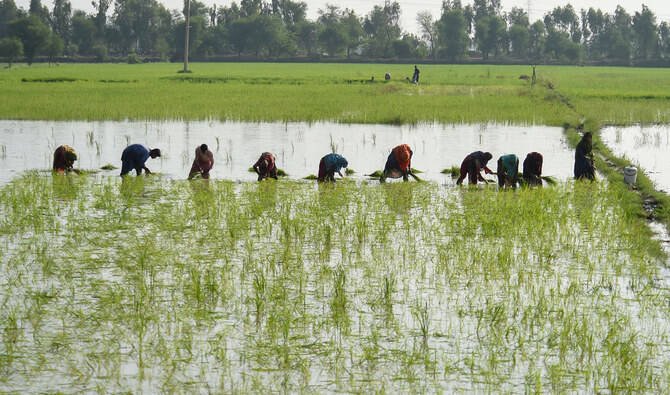

Heavy rains and severe flooding across the basmati rice-growing regions of India and Pakistan have sparked mounting concerns over the output of this premium staple, raising fears of reduced supply and soaring prices in global markets.
Basmati rice, cultivated exclusively in the fertile plains of the two neighboring countries, is a high-value commodity, selling for nearly double the price of regular rice varieties and primarily exported to the United Kingdom, the Middle East, and the United States.
The recent floods have damaged large tracts of farmland, hitting farmers just as the basmati and cotton harvests were approaching. In India, the northern states of Punjab and Haryana which account for more than 80 percent of the country’s basmati production have been the worst affected.
Torrential rains in late August and early September caused the Ravi, Chenab, Sutlej, and Beas rivers to overflow, inundating vast agricultural areas. According to government assessments, crops such as paddy, cotton, and pulses on nearly one million hectares have been damaged in Punjab and Haryana alone.
Pakistan’s Punjab province, which produces over 90 percent of the country’s basmati output, has also faced similar devastation. Thousands of hectares planted with rice, cotton, corn, sugarcane, and vegetables were submerged earlier this month, dealing a major blow to local farmers.
Exporters warn that conservative estimates suggest up to 20 percent of Pakistan’s basmati rice crop may have been lost, which would inevitably drive prices higher both domestically and internationally.
Industry officials note that traders have already raised prices by about $50 per ton over the past week, with the potential for further increases if supply shortages persist by the end of the harvest season.
The sector was expecting a bumper crop this year, but the widespread flooding has disrupted those expectations.
While some experts caution that the current price surge may be partly speculative and could stabilize once fresh supplies from the new harvest arrive, the damage to crops in both countries remains significant.
With basmati rice being a key export and staple in South Asian agriculture, the floods are expected to have lasting economic and market implications if additional rains occur in the coming weeks.
