

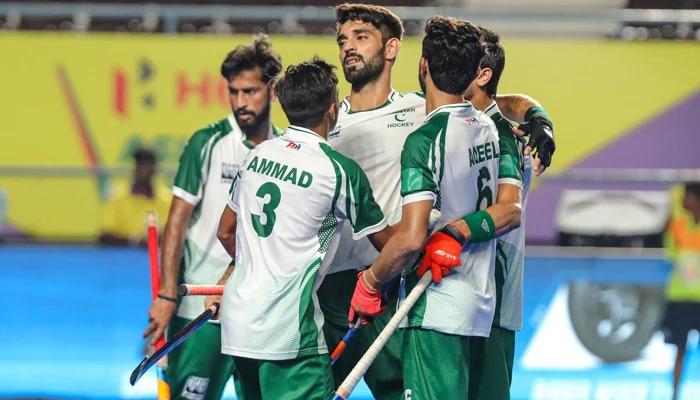

Pakistan Hockey Squad
The Pakistan national hockey team has voiced strong disapproval of the Pakistan Sports Board’s (PSB) decision to offer a daily allowance of just Rs400, calling it a deeply inadequate and disrespectful gesture toward national athletes.
The meagre amount, meant to serve as pocket money for attending an official luncheon in Islamabad, has sparked criticism from the players and ignited broader concerns about the continued neglect of the sport.
Initially, in protest, members of the national hockey team declined the PSB’s invitation to the luncheon, citing the extremely low allowance as symbolic of how poorly athletes—especially hockey players—are treated.
In addition to the Rs400 daily allowance, players were also offered a Rs5,600 cheque each, but this did little to appease the team’s dissatisfaction.
Team captain Imad Shakeel Butt led the protest, rejecting the offer outright and pointing out the absurdity of the amount. “This isn’t even enough to cover toll expenses,” he remarked, highlighting how the nominal sum fails to even meet basic logistical costs, let alone reflect the stature and sacrifices of national athletes.
Despite his initial refusal, Imad later agreed to attend the event after being persuaded by head coach Tahir Zaman, showing a willingness to engage in dialogue despite the players’ frustration.
Six hockey players were invited in total, including Sufyan Khan, Rana Waheed, Abdullah Muneebur Rehman, and Hanan Shahid. Prominent athletes from other disciplines were also on the guest list, such as Olympic javelin thrower Arshad Nadeem and Commonwealth Games gold medalist weightlifter Nooh Dastgir Butt.
The incident has underscored the long-standing issue of poor financial support for Pakistani athletes, particularly in hockey—a sport that once brought international glory to the country but has since been relegated to neglect and underfunding.
The controversy has triggered renewed calls for structural reform and greater investment in national sports. Many observers and former players argue that without meaningful financial and institutional support, Pakistan’s once-legendary hockey legacy could continue to fade into obscurity.
