

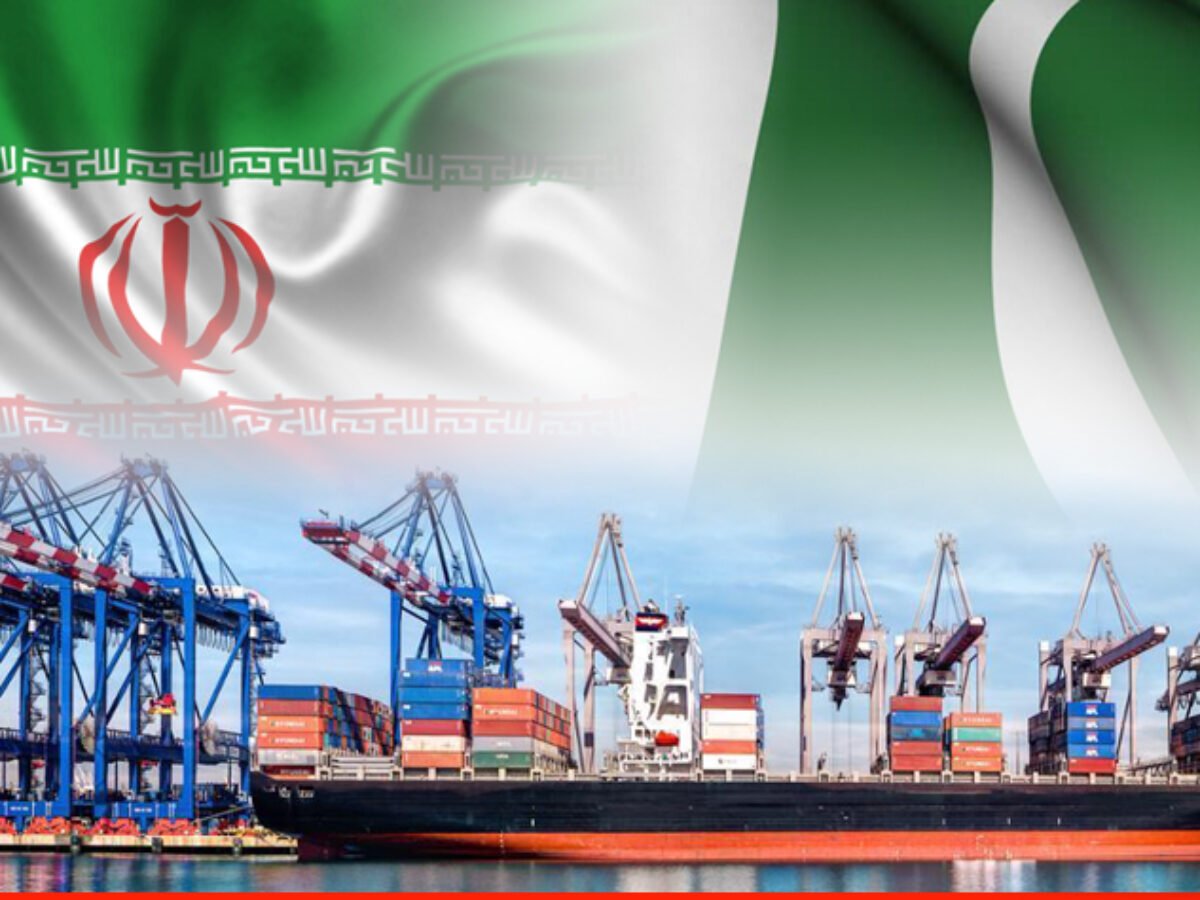

ISLAMABAD: The Senate Standing Committee on Finance has referred the issue of 600 Iranian trucks stranded at the Pakistan-Iran border to Prime Minister Shehbaz Sharif, recommending that the federal cabinet review the matter.
Iranian diplomats raised concerns about Pakistan’s reintroduction of a bank guarantee requirement for Iranian trucks, which has led to daily losses of $2.2 million. During a meeting chaired by Senator Saleem Mandviwalla at Parliament House, the diplomats informed the committee that this condition had been reinstated despite its removal in a 2008 agreement between the two countries.
The diplomats pointed out that while Pakistan imposed this requirement, Iran had not placed a similar restriction on Pakistani trucks. They also highlighted that this policy had significantly impacted bilateral trade, reducing the number of Iranian trucks entering Pakistan from 600 to 400 over six months, with some drivers waiting at the border for over a month.
The diplomats stressed that free movement of goods is a fundamental aspect of their bilateral agreements, and reopening the Rimdan crossing was crucial for easing border trade.
Senator Saleem Mandviwalla mentioned that Pakistan and Iran primarily conduct trade through a barter system, but complicated customs regulations have brought transactions to a standstill. Senator Farooq Naek strongly criticized the situation, calling it a disgrace, and questioned why foreign diplomats had to remind Pakistan how to manage its trade affairs. He expressed frustration with the state of governance, remarking that no one seemed to be acting in the national interest.
Senator Shibli Faraz also blamed the bureaucracy for creating obstacles instead of facilitating trade, particularly criticizing the Federal Board of Revenue (FBR) for not assisting traders despite the backlog of Iranian trucks. Senator Anusha Rahman condemned customs officials for creating unnecessary hurdles, accusing them of turning customs into a personal business by demanding documents beyond their authority and forcing traders into avoidable bureaucratic loops.
In response, customs officials denied that the bank guarantee was affecting border trade, clarifying that Iranian trucks were being cleared without such conditions. They argued that goods cleared at Taftan did not require a bank guarantee and accused Iranian traders of attempting to transport duty-free goods from Taftan to Quetta, which violated regulations.
Customs officials further clarified that the bank guarantee requirement applied to bilateral trade, not barter trade, and third-party goods could not enter Pakistan through the barter system.
In light of these developments, the committee decided to escalate the matter to the prime minister, urging the federal cabinet to intervene and resolve the ongoing crisis.
