
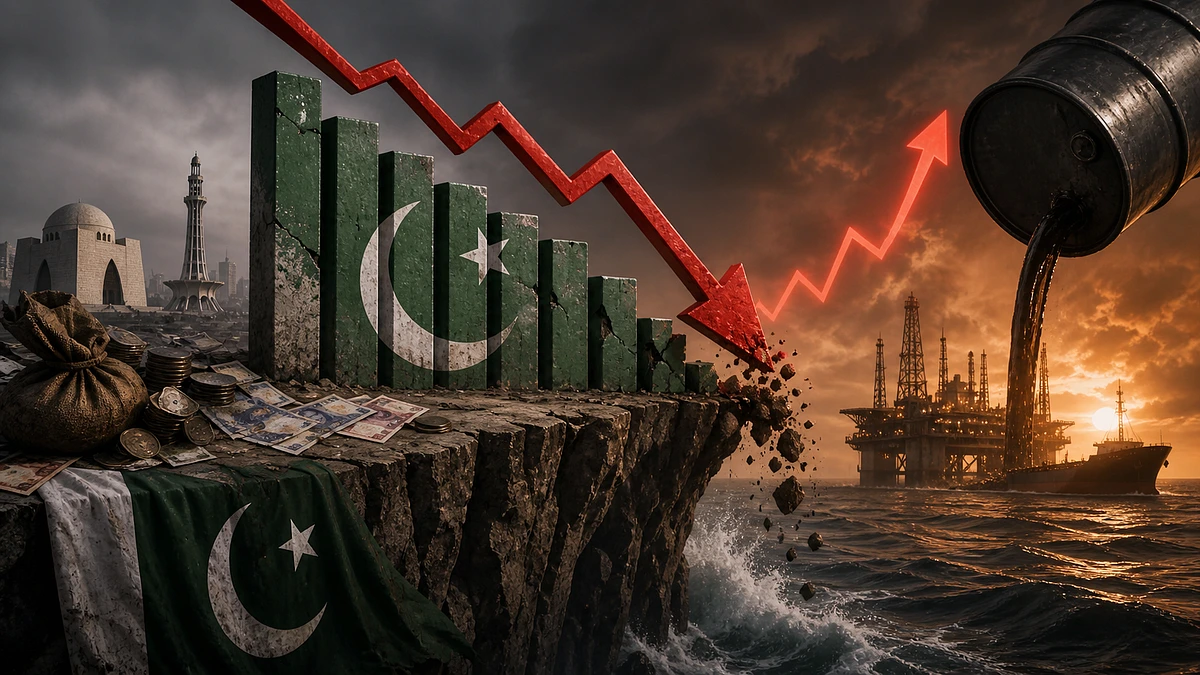

Pakistan expects economic growth to exceed 4 percent during the current fiscal year despite pressure from elevated oil prices and regional uncertainty. Finance Minister Muhammad Aurangzeb said the government also plans to accelerate privatisation, with five to six transactions expected to generate more than $1 billion. He made the remarks during the IMF and World Bank annual meetings in Bangkok.
Aurangzeb said Pakistan has secured adequate fuel supplies and avoided shortages despite its dependence on imported energy. He added that important sectors, including agriculture, continue to show resilience. However, the government is closely monitoring inflation because higher commodity prices could create fresh pressure on households and businesses.
Pakistan remains vulnerable to prolonged instability in the Middle East because of its reliance on Gulf energy imports, remittances and external financing. The country recently reached a staff-level agreement with the IMF that could unlock around $1.21 billion under its Extended Fund Facility and climate programme. Islamabad is also discussing a proposed $10 billion exchange stabilisation facility with the United States.
Privatisation remains a major part of the government’s reform strategy. After the privatisation of Pakistan International Airlines last year, around a dozen more entities remain in the pipeline. These include state-owned power distribution companies and the outsourcing of airport operations. Aurangzeb expects five or six deals to be completed during the current fiscal year.
The finance minister said the government wants the private sector to lead economic growth while the state focuses on creating a supportive business environment. Successful privatisation is also viewed as an important test of Pakistan’s reform commitments under its IMF programme.

