

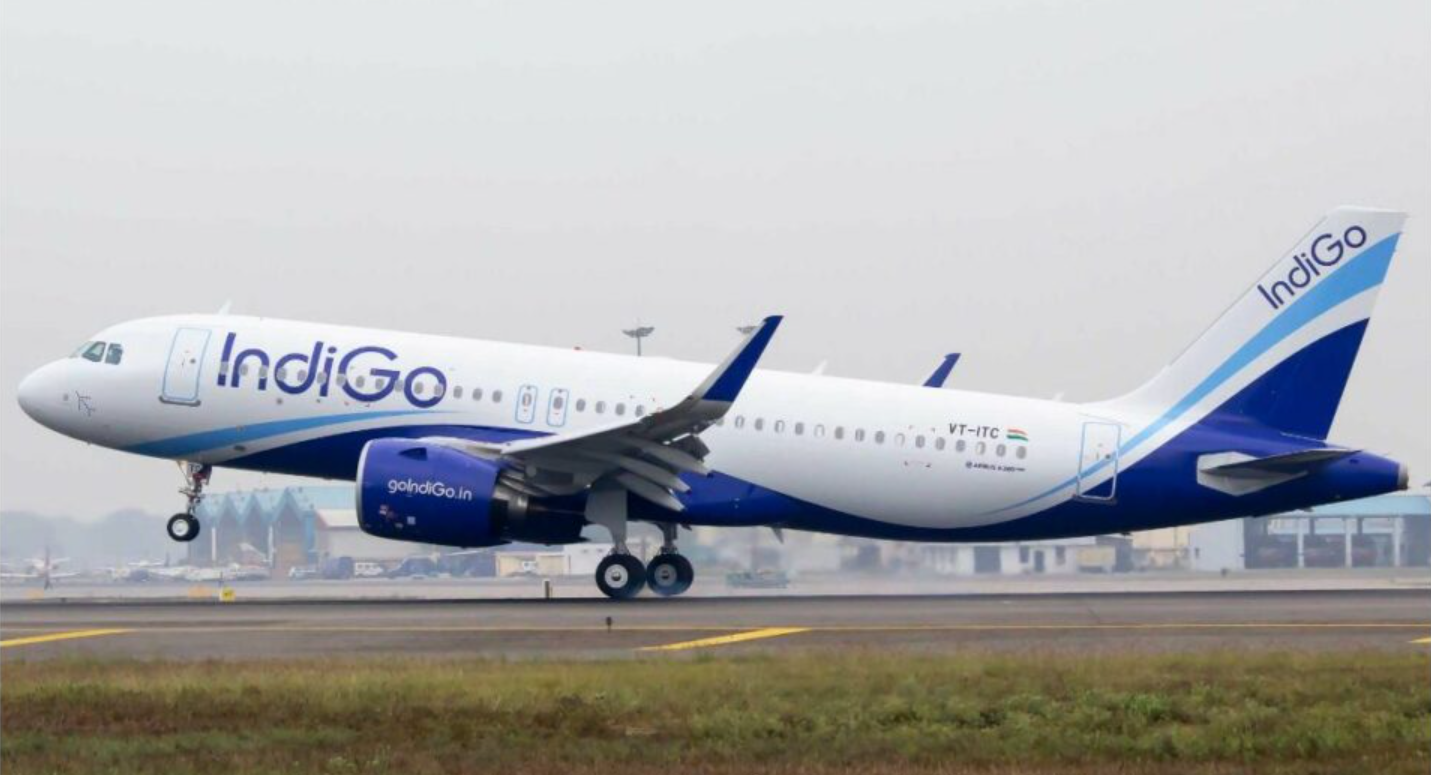

Pakistan has once again extended its airspace ban on all Indian airlines and aircraft, including military flights, until October 23, 2025. This latest restriction underscores the continued strain in relations between the two neighboring countries and further disrupts regional aviation.
The restriction was announced through a new Notice to Airmen (NOTAM), which confirmed that all India-registered aircraft, commercial airlines, and military flights remain prohibited from entering Pakistani airspace. With this decision, the total duration of Pakistan’s airspace closure for Indian aircraft has now reached 210 days.
Background of the Airspace Ban
Pakistan initially imposed the restriction on April 24, 2025, following India’s suspension of the Indus Water Treaty. The treaty suspension came after the Pahalgam attack in Indian Illegally Occupied Jammu and Kashmir (IIOJK), which sharply escalated tensions between the two nuclear-armed nations.
In retaliation to Pakistan’s airspace closure, India responded by barring Pakistani airlines from entering its airspace on April 30, 2025. Since then, both countries have maintained strict restrictions, causing significant disruptions to regional aviation routes.
Military Escalations and Retaliatory Strikes
The airspace ban is closely linked to the military standoff earlier this year. On May 6–7, 2025, India launched unprovoked strikes on multiple cities in Pakistan. In response, Pakistan carried out a large-scale military operation named “Operation Bunyan-um-Marsoos”, targeting several Indian military facilities across different regions.
According to defense officials, Pakistan’s strikes were described as “precise and proportionate”, directly responding to India’s cross-border aggression. During the exchange, Pakistan reportedly downed six Indian fighter jets, including three advanced Rafale aircraft, along with several drones.
After nearly 87 hours of hostilities, the conflict ended on May 10, 2025, with a U.S.-brokered ceasefire agreement between the two sides.
Impact on Aviation Industries
While India’s aviation industry has faced severe financial setbacks due to rerouted flights and operational losses, Pakistan’s aviation sector has remained comparatively less affected. Analysts highlight that longer routes for Indian carriers have significantly increased fuel costs and reduced profitability, especially for long-haul flights.
Historical Context of Airspace Closures
This is not the first time airspace restrictions have been used as a diplomatic and military tool between Pakistan and India. Similar closures occurred during the 1999 Kargil conflict and the 2019 Pulwama crisis. In both cases, Indian aviation bore heavier losses compared to Pakistan’s relatively limited disruptions.
With the latest extension, the ban now continues until October 23, 2025, leaving uncertainty about future developments. Observers believe the situation will depend largely on the trajectory of India-Pakistan diplomatic relations in the coming months.
For now, Pakistan’s decision to maintain the airspace ban signals its intent to keep pressure on New Delhi, while also highlighting how aviation remains an important dimension of the broader conflict between the two nations.
