

Pakistan has postponed approval of its $1 billion Main Line-3 (ML-3) railway rehabilitation project for the third time in five months. The delay raises fresh concerns about infrastructure development and mineral transportation from Balochistan’s Reko Diq mines.
The Central Development Working Party (CDWP) deferred the Rs278 billion project again in November. The proposed upgrade covers a 996-kilometre railway track between Nokhandi and Rohri.
Officials have cited funding constraints and a possible change in the mineral export route as key reasons behind the latest postponement.
Funding Issues Hold Back Railway Upgrade
Planning Minister Ahsan Iqbal said the government needs further details about bridge financing arrangements with Reko Diq Mining Company.
The government has approved a proposed $390 million loan from the mining company to support the railway rehabilitation. The arrangement carries an estimated annual interest rate of six per cent.
However, officials expect the government to repay the amount through a single payment by June 2028. At the agreed rate, total repayment could reach nearly $450 million.
Only Rs250 million has been allocated to the project during the current financial year. Consequently, authorities remain concerned about securing the remaining funds.
Gwadar Port Proposal Creates Fresh Uncertainty
The original plan involved transporting minerals from Reko Diq through the Nokhandi-Quetta-Rohri railway corridor to Karachi Port.
However, authorities are now considering Gwadar Port as an alternative export destination. This change could require additional road infrastructure connecting Nokhandi, Panjgur and Gwadar.
Moreover, the government may need fresh financing commitments from the mining company if the export route changes.
A Barrick Gold delegation recently met Ahsan Iqbal to discuss the proposed Nokhandi-Gwadar road corridor. The minister stressed the need for coordination between federal authorities, the Balochistan government and mining companies.
Poor Railway Condition Raises Economic Concerns
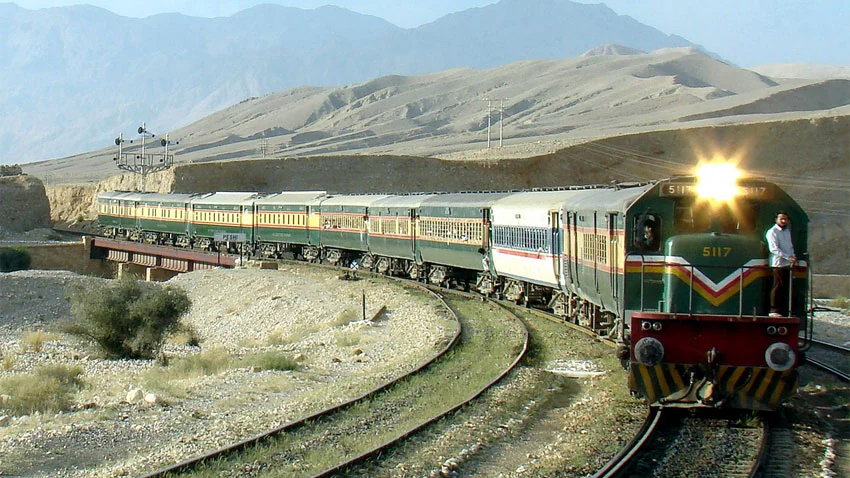
The existing ML-3 track has exceeded its operational lifespan, with trains travelling at an average speed of around 30 kilometres per hour.
Currently, only one or two freight trains operate monthly between Quetta and Taftan. The government hopes rehabilitation will increase freight movement and improve railway revenue.
Meanwhile, the Planning Commission has warned that further delays could significantly increase project costs.
The latest postponement highlights Pakistan’s financing and infrastructure challenges as it seeks to develop mineral exports and strengthen regional trade connections.
For the latest updates, visit and follow The Truth International website (www.thetruthinternational.com) and subscribe to the YouTube Channel.

