

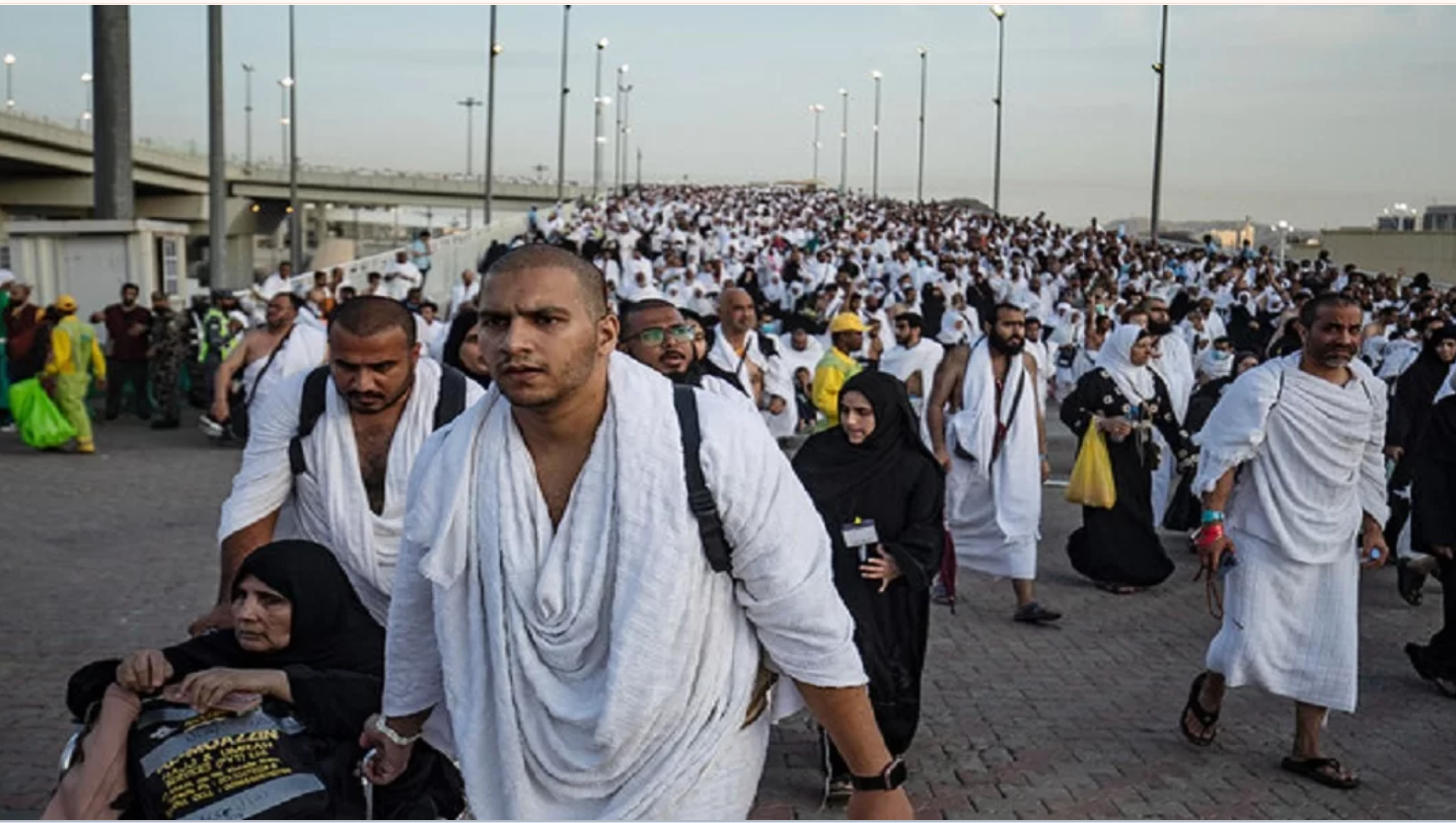

Pakistan is considering a proposal to introduce a single, standardized dress for Pakistani Hajj pilgrims. The initiative aligns with Saudi Vision 2030 reforms.
The proposal aims to improve identification, organization, and overall management of pilgrims. Officials believe it could enhance discipline and coordination during Hajj operations.
Details emerged during a meeting of the Senate Standing Committee on Religious Affairs. The session addressed both administrative concerns and future Hajj planning. During the meeting, concerns were raised about the functioning of the Ministry of Religious Affairs. Senator Dinesh Kumar claimed there was a perception of weak ministerial authority.
He stated that many believed operational control rested with Dr Tauqeer Shah. He also claimed the minister of state remained uninformed about ministry matters. Federal Minister for Religious Affairs Sardar Yousaf strongly rejected these claims. He said he holds full authority over the ministry’s affairs.
The minister clarified that the allegations had no factual basis. He emphasized that decisions were taken through proper institutional mechanisms. The committee was informed about preparations for upcoming Hajj operations. Two companies in Saudi Arabia have been selected to provide Hajj services.
Additionally, 1,780 Hajj assistants will travel to Saudi Arabia. Members of the medical mission will also accompany pilgrims. The minister stated that no ban exists on new private Hajj operators. Companies meeting required standards may receive future quotas.
He said the government aims to improve competition and service quality. Equal opportunities will be provided to qualified operators. Discussion also covered legislative matters during the meeting. Due to the Pakistan Tehreek-e-Insaf boycott, changes were made to the agenda.
As a result, the Family Laws Bill presented by Senator Ali Zafar was removed. The decision followed procedural considerations. The proposed standardized dress remains under review. Officials stressed that no final decision has been taken yet.
The idea reflects broader reforms linked to Saudi Vision 2030. These reforms focus on efficiency, safety, and better pilgrim management. If approved, the proposal would apply in coming years. Authorities said stakeholder consultation would remain essential.
The government maintains that pilgrim welfare remains the top priority. Any reform will aim to enhance comfort and dignity during Hajj. The discussion signals a shift toward structured and modernized Hajj management. Further deliberations are expected in future committee meetings.
