


In Khyber Pakhtunkhwa, political tension has escalated as the opposition announced plans to challenge the recent election of the province’s new chief minister in court. Opposition parties argue that the move is unconstitutional, claiming the resignation of former chief minister Ali Amin Gandapur has not yet been legally accepted.
Resignation Dispute Sparks Controversy
According to the opposition, Gandapur’s resignation remains pending because it was never formally accepted by the governor. This procedural lapse, they claim, means that the chief minister’s position was never truly vacant. Consequently, they argue, electing a new CM violates constitutional norms.
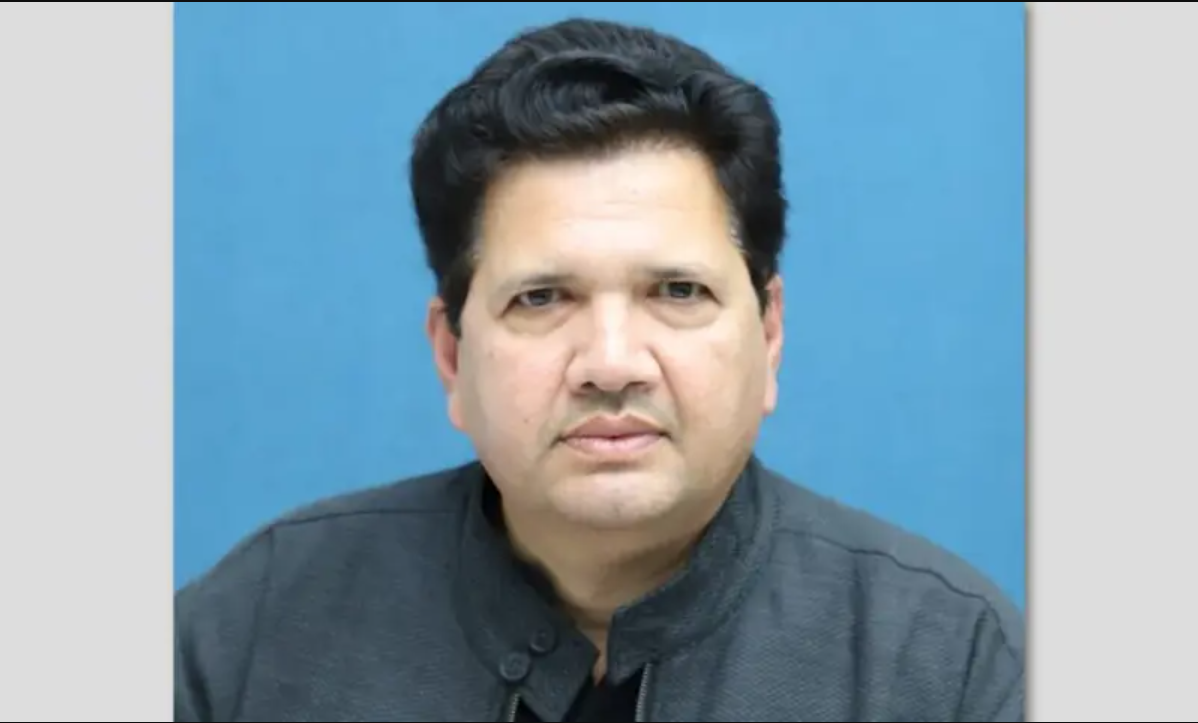
Opposition leader Dr Ibadullah stated that the opposition initially believed Gandapur’s resignation had been approved, prompting them to submit nomination papers for the new election. However, upon learning that the resignation was still under review, they deemed the entire election process invalid.
Assembly Session Boycotted
During the assembly session, opposition lawmakers staged a walkout, protesting what they described as an “unconstitutional election.” They asserted that the province cannot have two chief ministers simultaneously. Dr Ibadullah questioned how a new leader could assume office when the previous one has not lawfully vacated it.
He added that the opposition would take the matter to court, expressing confidence that legal scrutiny would expose irregularities in the process. “Their lawyers say it’s legal, but we believe it’s not,” he remarked, emphasizing that the joint opposition remains united on this issue.
Legal Arguments and Constitutional Implications
The opposition contends that under constitutional procedure, a chief minister’s resignation must be explicitly accepted before it takes effect. Without this confirmation, both the CM and the cabinet continue to hold their positions. Electing a new chief minister under such conditions, they argue, creates a legal contradiction and undermines the integrity of provincial governance.
Legal experts anticipate that the case could set a significant precedent in provincial politics. The court will likely examine whether the procedural steps followed in the resignation and election align with constitutional requirements.
Political Impact and Next Steps
The outcome of this dispute could reshape the political landscape of Khyber Pakhtunkhwa. If the court rules in favor of the opposition, the newly elected chief minister’s position could be declared void, potentially triggering another election.
The opposition plans to file its petition on Tuesday, hoping to halt what they describe as a violation of democratic principles. Regardless of the verdict, the controversy underscores the persistent instability in the province’s political structure and the deep divisions within its assembly.
