
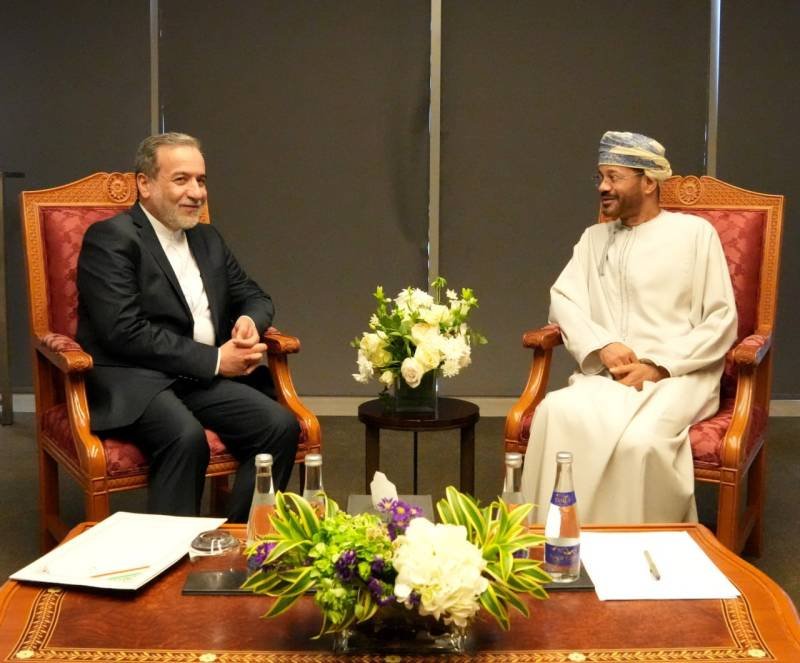

Oman and Iran held high-level discussions on easing maritime movement through the Strait of Hormuz, as the కీల shipping route remains effectively closed due to the ongoing regional conflict.
According to Oman’s state news agency, officials from both countries met at the deputy foreign minister level, accompanied by technical experts. During the meeting, both sides explored proposals to ensure safe and smooth passage for vessels through the Strait. Additionally, experts presented multiple options aimed at stabilizing maritime traffic.
The բանակց come amid escalating tensions following U.S. and Israeli strikes that began in late February. In response, Iran has repeatedly targeted shipping in the Strait, disrupting a corridor that typically carries about one-fifth of global oil supplies. Consequently, the conflict has severely affected Gulf shipping and strained the global economy.
Meanwhile, Donald Trump warned that Tehran had a limited time to reach an agreement or face severe consequences. His remarks followed Washington’s confirmation that U.S. forces had successfully recovered a second airman downed inside Iran.
Earlier, Iranian officials indicated plans to establish a peacetime maritime protocol with Oman. Deputy Foreign Minister Kazem Gharibabadi said the framework would regulate ship movements once hostilities with the United States and Israel conclude.
Furthermore, Iran’s parliament has moved to impose tolls on vessels and ban ships from the United States and Israel from using the Strait. At the same time, missile and drone attacks have struck critical infrastructure across the United Arab Emirates, Bahrain, and Kuwait.
Authorities in Abu Dhabi reported fires at a petrochemical facility in Ruwais Industrial City after debris from an intercepted object caused damage. However, officials confirmed no casualties, while emergency teams continue response operations.
Overall, the situation remains volatile, with continued escalation threatening regional stability and global energy security.

