
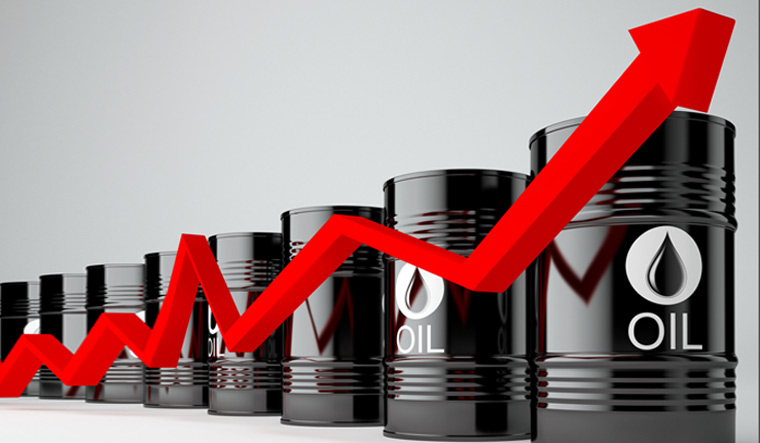

Global oil markets surged after rising tensions in the Middle East pushed prices sharply higher. Traders reported that Brent crude climbed about 10 percent to nearly $80 a barrel following recent strikes on Iran by the United States and Israel. Analysts now warn that prices could approach $100 per barrel if disruptions intensify.
Strait of Hormuz fears drive market surge
Energy experts said the biggest concern for markets is the security of the Strait of Hormuz, a vital route that carries more than 20 percent of the world’s oil supply. Ajay Parmar of ICIS noted that while military action supports higher prices, any sustained disruption to the waterway could trigger a sharper spike.
Meanwhile, several tanker owners, oil companies, and trading houses have reportedly suspended shipments of crude, fuel, and liquefied natural gas through the strait. The precaution followed warnings from Tehran advising ships to avoid the sensitive corridor.
As a result, analysts expect markets to open significantly higher. Parmar said prices could move much closer to $100 a barrel if the situation worsens or the waterway faces prolonged closure.
Supply outlook and OPEC+ response
In response to market volatility, the OPEC+ group agreed in principle to raise output by about 206,000 barrels per day starting in April. However, analysts noted that the increase represents less than 0.2 percent of global demand and may offer limited relief.
Rystad Energy estimated that a full closure of the Strait of Hormuz could remove between 8 million and 10 million barrels per day from global supply, even after rerouting some flows through alternative pipelines.
Meanwhile, Asian governments and refiners have begun reviewing emergency stockpiles and backup shipping routes as uncertainty continues to grip energy markets worldwide.

