
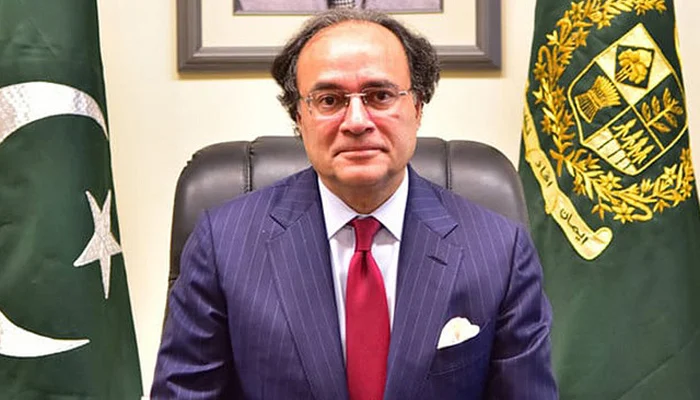

Pakistan’s Finance Minister Muhammad Aurangzeb has warned that sharply rising insurance costs on oil imports could severely strain the country’s economy. The surge may even force the shutdown of some fertiliser plants if the situation worsens.
He shared these concerns during a meeting of the Senate Standing Committee on Finance. The discussion focused on energy conservation measures and evolving banking regulations.
According to the minister, Pakistan is closely monitoring global oil markets. Authorities are reviewing supply trends daily as regional tensions continue to disrupt energy trade.
Insurance Costs Push Oil Cargo Prices Higher
Aurangzeb explained that insurance premiums on petroleum shipments have increased dramatically due to regional instability. As a result, importing oil has become far more expensive than before.
He highlighted a striking example during the briefing. A petroleum cargo valued at $25 million now costs nearly $100 million after insurance and related expenses are added.
Therefore, the financial burden on Pakistan’s import bill has multiplied significantly. The minister questioned how such costs could remain sustainable for a developing economy.
If energy imports continue at these elevated prices, industrial operations could face serious consequences. Fertiliser plants, which depend heavily on affordable energy, are particularly vulnerable.
Fertiliser Sector Faces Potential Shutdown Risk
The finance minister warned that excessively high energy costs could compel authorities to temporarily close certain fertiliser plants. Such a move would aim to manage financial pressure on the national economy.
However, shutting down fertiliser production could create additional challenges. Agriculture relies heavily on local fertiliser supply, making stability in this sector essential.
Consequently, policymakers are attempting to balance economic sustainability with food security concerns. Officials continue evaluating options to prevent disruptions.
Government Monitoring Global Energy Developments
Meanwhile, Pakistan remains engaged with key regional partners to manage the evolving situation. The government is maintaining regular contact with Saudi Arabia, the United Arab Emirates, and Qatar.
Aurangzeb noted that Saudi Arabia has extended support during difficult periods. These diplomatic engagements aim to secure energy supplies and reduce economic shocks.
At the same time, authorities are tracking international oil prices daily. This monitoring allows quicker policy responses if market conditions deteriorate further.
Some provincial representatives also expressed concerns during the meeting. They warned that further fuel price increases could trigger strong public reactions.
Senate Committee Reviews Banking Regulations
In addition to energy issues, lawmakers discussed new banking regulations concerning politically exposed persons (PEPs). The State Bank introduced updated rules aligned with international compliance requirements.
Under the revised framework, banks may collect financial information related to senior political figures and associated individuals. The expanded definition now includes family members and close associates.
Several senators raised concerns about the broader scope of these rules. They argued that stricter conditions might discourage business activity and investment.
Some lawmakers questioned why financial records should be requested without evidence of suspicious transactions. Others emphasized the need to reform banking practices to maintain investor confidence.
FATF Compliance Remains a Key Priority
State Bank officials explained that the regulatory updates were introduced to meet Financial Action Task Force compliance standards. According to officials, failing to follow these requirements could risk Pakistan returning to the FATF grey list.
Therefore, regulators believe stronger oversight remains necessary despite criticism. The goal is to strengthen financial transparency while protecting economic stability.
However, committee members suggested reviewing the rules to ensure they remain balanced and practical.
Special Panel Formed to Review Banking Rules
To address ongoing concerns, the Senate committee decided to establish a special panel. The panel will examine regulations affecting bank accounts of politically exposed persons and senior public office holders.
Lawmakers aim to ensure compliance requirements do not unintentionally harm legitimate business activities. The review process will evaluate whether definitions and enforcement mechanisms require adjustment.
Economic Pressure Mounts Amid Energy Uncertainty
Pakistan currently faces a complex economic environment shaped by global energy volatility. Rising insurance costs, supply disruptions, and market uncertainty continue to challenge policymakers.
While the government pursues diplomatic coordination and energy conservation measures, risks remain significant. Decisions taken in the coming weeks may determine whether industries can maintain operations without major disruption.
For now, authorities are attempting to stabilise costs while protecting essential sectors such as agriculture and manufacturing. The evolving energy crisis highlights how global conflicts can quickly reshape domestic economic realities.

