


Pakistan’s oil sector is facing a major challenge as the Sindh government demands Rs180 billion in unpaid infrastructure cess on petroleum imports. Industry insiders have warned that the move could trigger a severe fuel supply crisis if not resolved soon.
The Sindh Infrastructure Development Cess (SIDC), originally imposed in 2021, has long been a matter of legal contention. However, the provincial government has now intensified pressure, directing oil marketing companies (OMCs) to provide financial guarantees before releasing new consignments.
One Cargo Released, More Stuck Pending Tax Guarantees
The Sindh government recently allowed one oil cargo of Pakistan State Oil (PSO) to be released. Yet, several others remain stranded at the port. Authorities have made it clear that future clearances will only proceed once companies provide bank guarantees ensuring payment of the contested cess.
This development comes after a meeting of the Sindh cabinet earlier this month, where officials instructed relevant departments to enforce compliance with a Supreme Court ruling. The court had previously directed OMCs to pay the cess, which the provincial administration claims has accumulated since 2021.
Legal Dispute and Industry Response
The oil industry had earlier secured a stay order from the Sindh High Court against the cess. However, the order was later vacated, and the court required companies to make payments. Following this, the industry appealed to the Supreme Court, which upheld the decision.
Despite the ruling, implementation stalled for over a year. Now, Sindh authorities have revived the demand, insisting that OMCs settle dues retroactively. The oil industry argues that the cess was never part of the official oil pricing formula and therefore cannot be absorbed by companies.
Industry representatives have approached the Petroleum Division for intervention, warning that forced payments could financially cripple the sector. “The oil industry will collapse if it is compelled to pay Rs180 billion,” one official stated.
Sindh Pushes for Compliance Through Bank Guarantees
According to official correspondence, Sindh’s Excise and Taxation Department has requested that PSO and other importing companies submit bank guarantees instead of undertakings. The department stressed that any fuel shortages resulting from delayed compliance would be the sole responsibility of the companies.
This directive reflects the Sindh cabinet’s latest stance to ensure “immediate compliance” with legal obligations. Officials have been instructed to coordinate with the federal petroleum ministry to expedite enforcement and prevent further disruption in supply.
Fuel Supply Remains Stable Despite Concerns
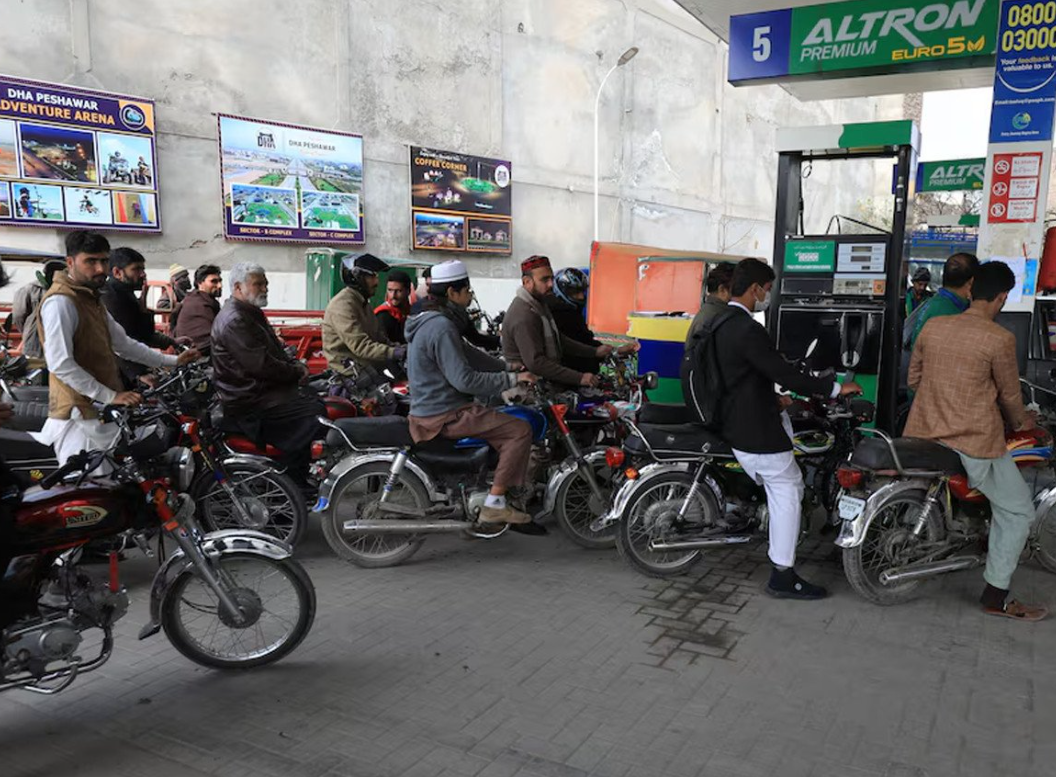
Despite fears of shortages, fuel supply operations across the country remain stable. Officials have confirmed that recent vessel clearances have resumed, and petroleum deliveries are continuing as normal. However, market analysts warn that prolonged disputes could destabilize the sector and affect fuel availability if not addressed promptly.
Industry Awaits Federal Mediation
The crisis highlights ongoing friction between provincial taxation policies and national energy logistics. The oil industry is now looking toward the federal government for mediation to avert further escalation.
If a compromise is not reached soon, Pakistan could face renewed challenges in maintaining energy security and market stability. The coming weeks are expected to be crucial as both sides weigh financial and legal implications of the Rs180 billion cess claim.
