
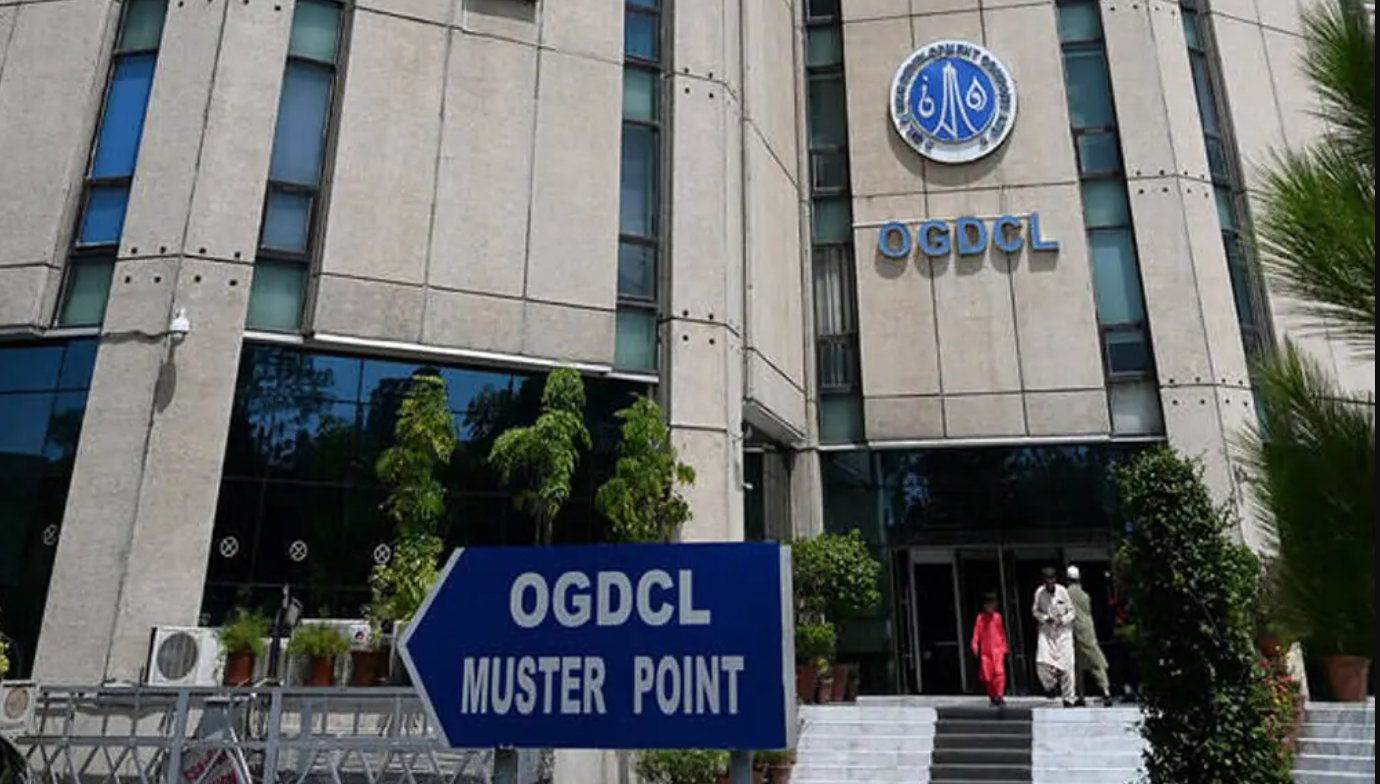

The Oil and Gas Development Company Limited (OGDCL) has announced a major breakthrough with the discovery of significant oil and gas reserves in Kohat, Khyber Pakhtunkhwa. Officials described this find as the largest in Pakistan’s exploration sector so far in 2026.
In a statement to the Pakistan Stock Exchange, OGDCL highlighted that the Kohat discovery represents a key milestone for the country’s energy industry. The find is expected to strengthen domestic energy production and reduce dependency on imports, though experts caution that immediate economic relief may be limited.
Kohat Emerges as Energy Hub
Over recent years, Khyber Pakhtunkhwa has become a focal point for oil and gas exploration. In nearby Karak, Pakistan Oilfields Limited has reported daily outputs of 22.1 million cubic feet of gas and 2,112 barrels of crude oil from its Makori Deep-02 well. Meanwhile, the Nashpa block in Kohat has previously yielded commercial hydrocarbons.
OGDCL holds a 65 percent stake in the latest Kohat project, with Pakistan Petroleum Limited holding 30 percent and the government retaining 5 percent. The consortium termed the find a “major boost” for ongoing domestic exploration efforts.
Domestic Gains vs. Import Dependence
Despite the optimism surrounding the discovery, Pakistan continues to rely heavily on imported energy. Official trade data shows that oil imports reached $9.46 billion in the first seven months of FY25, up from $9.33 billion in the same period the previous year. Crude oil imports alone increased by nearly five percent, with volumes rising 18.2 percent to 5.78 million tonnes.
Analysts note that although new wells contribute to production, they cannot immediately offset import needs. Pakistan imports around 80 percent of its fuel, meaning domestic finds, while significant, are insufficient to meet the high national demand.
“Several structural issues limit the immediate impact of these discoveries,” said one industry expert. “The gap between exploration and commercial production, the gas-heavy composition of most new wells, and rising global oil prices all affect the benefits.”
Infrastructure and Long-Term Investment Are Key
Experts emphasize that without transparent management and long-term investment in refining, storage, and pipeline networks, Pakistan risks underutilizing these resources. “The reserves exist, but the system to harness them efficiently is lacking,” an industry observer noted.
Nonetheless, the Kohat discovery signals a positive trajectory for domestic energy production. It also demonstrates Pakistan’s growing capabilities in oil and gas exploration, particularly in regions that were previously underexplored.
While short-term economic relief may be limited, the find provides a roadmap for long-term energy security. Policymakers and industry leaders are now tasked with ensuring the reserves are developed efficiently to reduce import dependence and stabilize domestic energy markets.

